The Technical Architecture of Custom Paperboard Folding Cartons
In global B2B procurement, specifying the correct paperboard folding cartons requires balancing structural integrity, tear resistance, grain direction, ink absorbency, and line-assembly efficiency. Paperboard folding cartons represent the primary packaging backbone for sectors spanning retail cosmetics, pharmaceutical blister packs, direct food contact, and consumer electronics. Unlike heavy multi-ply corrugated containers, folding cartons rely on single-ply or multi-layer virgin and recycled pulp sheets measured in thousandths of an inch (caliper points / pt) or grams per square meter (GSM).
Selecting an incorrect paperboard caliper leads either to crushed cartons during retail stacking or unnecessary freight costs due to excess tare weight. The fundamental engineering metric for folding cartons is stiffness (bending resistance across the grain). For automated cartoning machines, grain direction must run parallel to the main score lines to prevent panel bowing and jam-ups on high-speed lines.
1. Primary Paperboard Substrates: Mechanical Properties & Best Use Cases
Global procurement managers must evaluate four core paperboard grades when designing custom paperboard folding cartons. Each substrate possesses distinct chemical composition, brightness levels, and fibers:
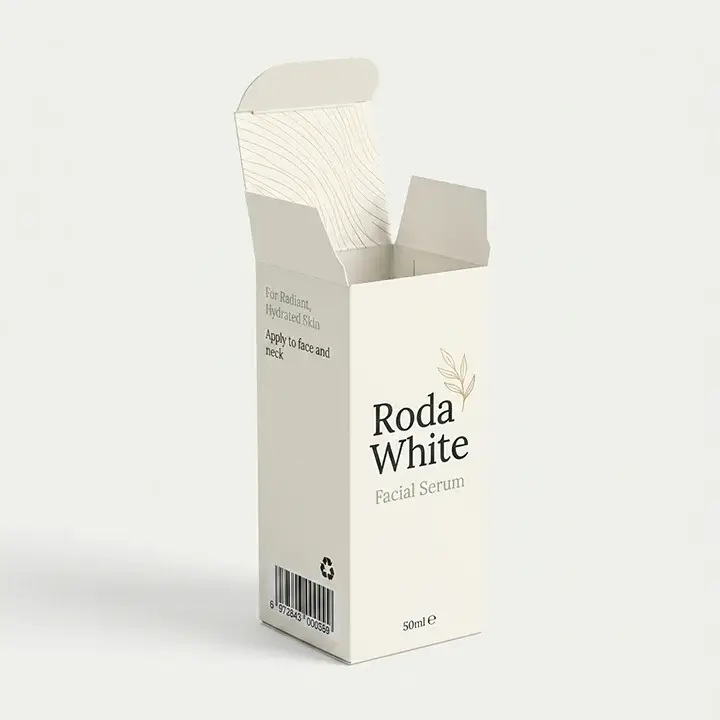
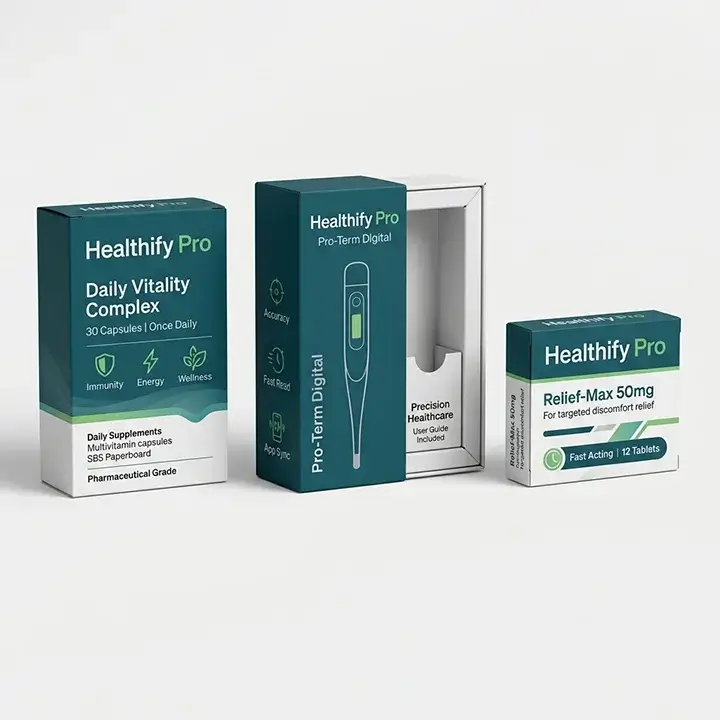
- Solid Bleached Sulfate (SBS): Premium 100% virgin bleached hardwood and softwood chemical pulp. Brightness ratings of 88–94% GE. Superior smoothness makes SBS the gold standard for luxury cosmetics, healthcare, and food-grade packaging where pure white interior and exterior aesthetics are mandatory.
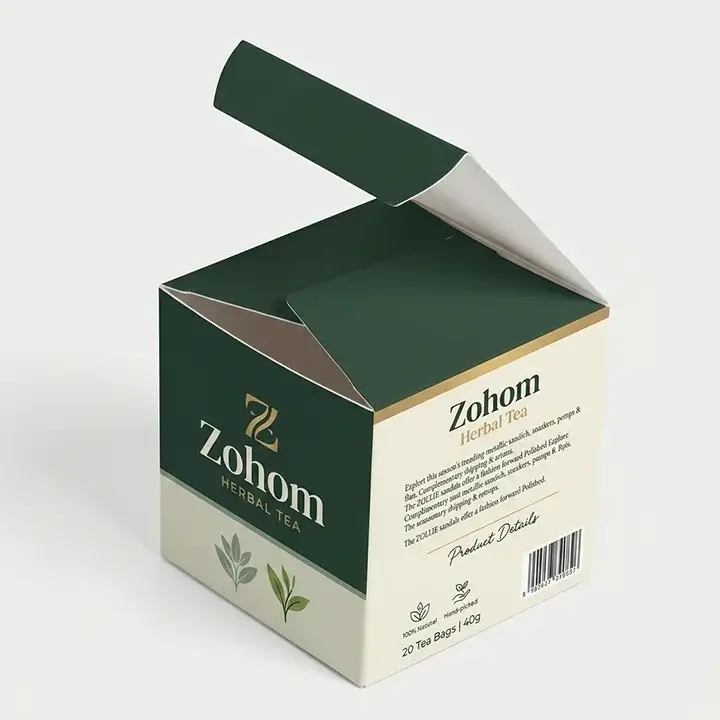
- Coated One Side (C1S) / Coated Two Sides (C2S): High-density virgin paperboard featuring a smooth kaolin clay coating on one or both sides. C1S provides exceptional ink holdout for vivid CMYK/PMS offset lithography on the exterior panel while retaining a natural, absorbent interior texture suitable for security stamps or minimal branding.
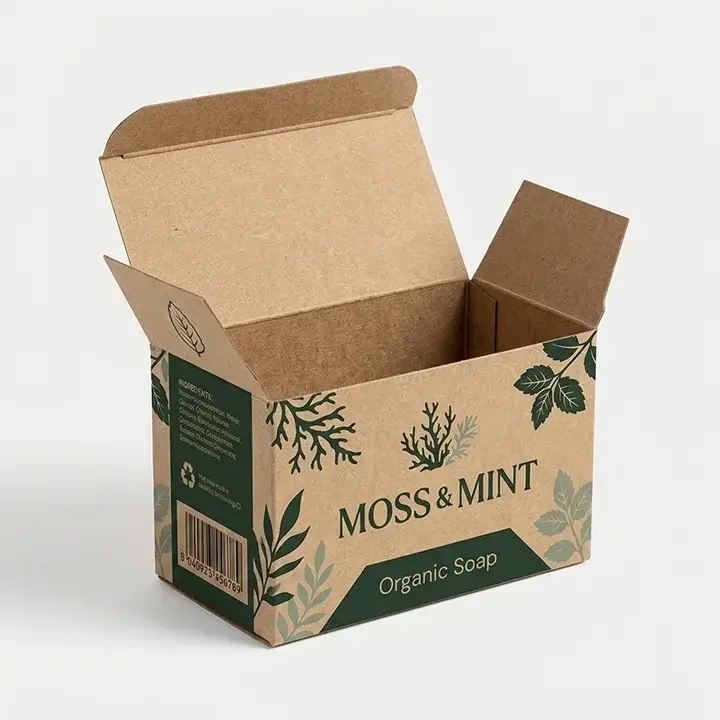
- Unbleached Kraft Paperboard (SUS / CUK): Solid unbleached sulphate paperboard manufactured from virgin natural fibers. Recognized for extreme tear strength, high burst index, and moisture resistance. CUK (Coated Unbleached Kraft) adds a thin white clay coat on top for high-impact printing while retaining maximum eco-friendly brown structural integrity underneath.
- Clay Coated News Back (CCNB) / CRB: Coated Recycled Board composed of 100% recycled post-consumer fibers with a top layer of bleached virgin fiber and clay coating, backed by a grey newsprint interior. Highly cost-effective for dry food, hardware, and mass-market retail goods.
| Substrate Grade | Caliper Range (pt) | Grammage (GSM) | Tensile / Tear Strength | Primary B2B Target Applications |
|---|---|---|---|---|
| SBS (Solid Bleached Sulfate) | 12pt – 28pt | 230 – 540 GSM | High Uniform Stiffness | Cosmetics, Pharmaceuticals, Luxury Retail, Bakery |
| C1S / C2S Paperboard | 14pt – 24pt | 270 – 460 GSM | Medium-High Flexibility | Apparel Tags, Confectionery, Beauty Cartons |
| CUK / Natural Kraft | 14pt – 28pt | 250 – 500 GSM | Maximum Tear Resistance | Heavy Beverage Carriers, Hardware, Eco Brands |
| CCNB (Recycled News Back) | 16pt – 30pt | 300 – 580 GSM | Standard Rigidity | Dry Food Cereal Boxes, CPG Packaging, Hardware |