
Packaging Blog & Expert Insights
Explore box design tips, sustainable packaging ideas, material guides, and industry trends to help elevate your brand unboxing experience.
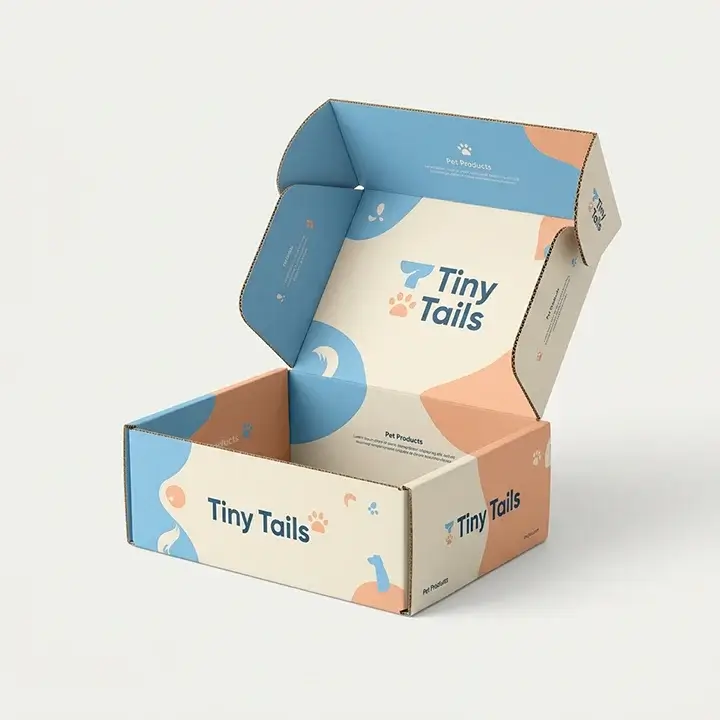
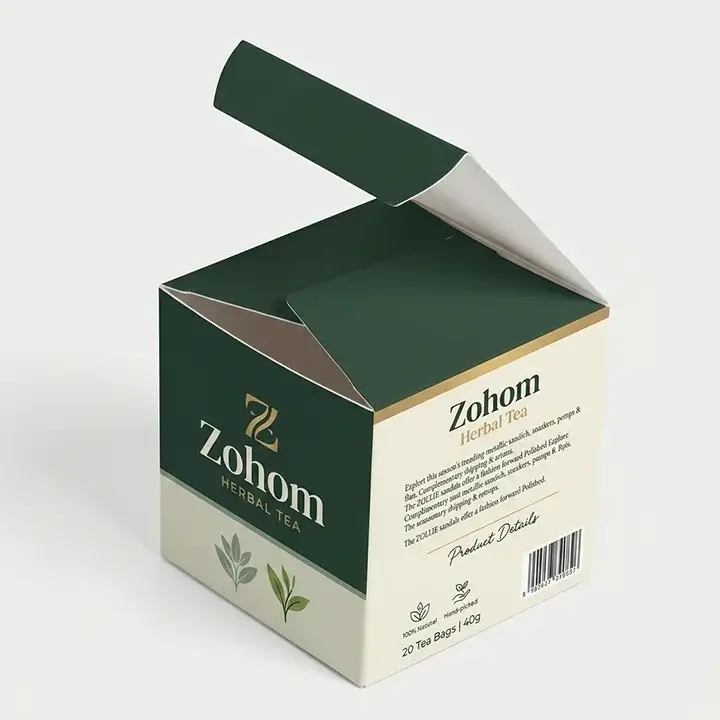
JIS-Calibrated Cardboard Packaging Lineup for Japan
Direct factory export catalog tailored for Japanese logistics networks (Yamato Takkyubin, Sagawa Express, Japan Post) and high-tier retail environments.
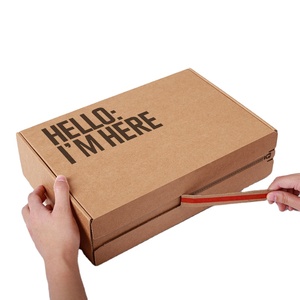
Tear-Strip Corrugated Mailer Box for Japanese E-Commerce
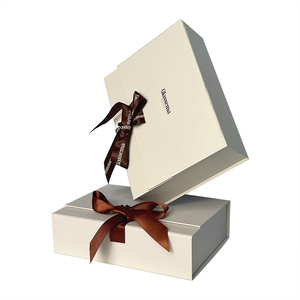
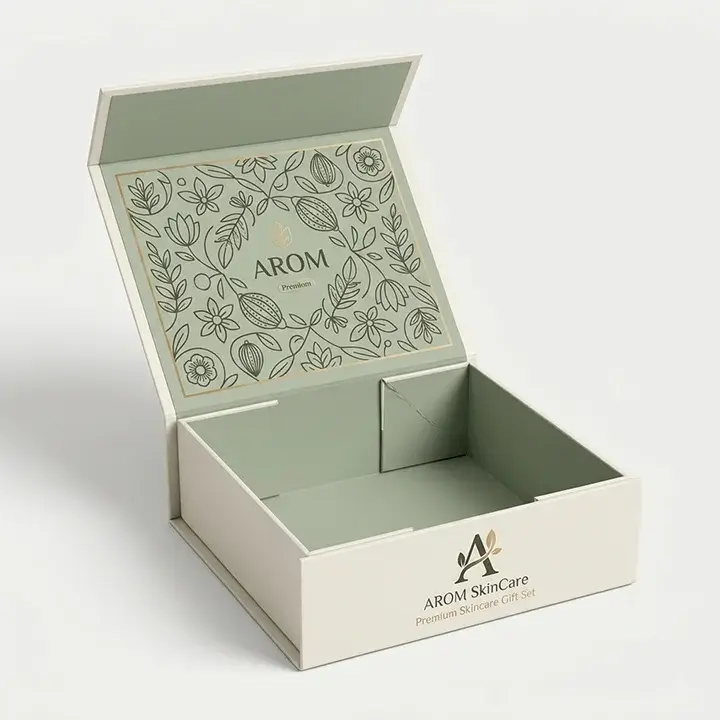
Collapsible Magnetic Gift Packaging Box with Ribbon
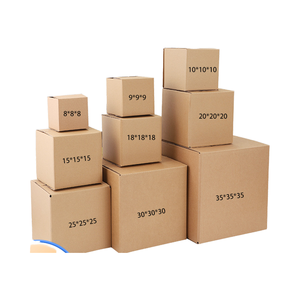
Cold-Chain Heavy Duty Corrugated Box for Fruit & Agriculture
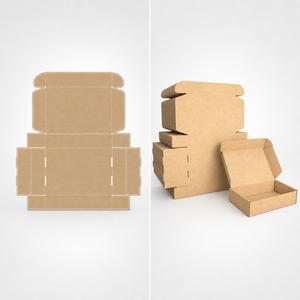
Rapid Turnaround Express Moving & Shipping Cartons
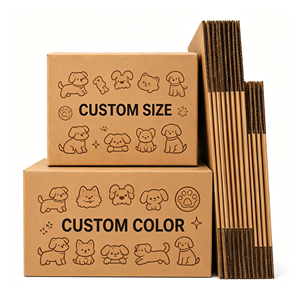
Eco-Friendly Recycled Brown Kraft Outer Shipping Box
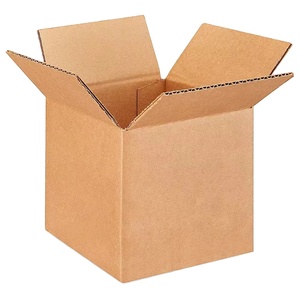
Standard Cube Dimensional Master Outer Cartons
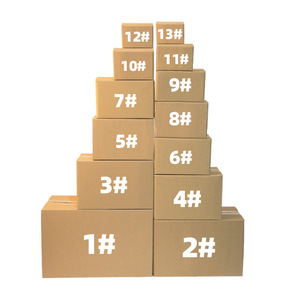
Industrial Grade 5-Ply Reinforced Outer Packaging Box
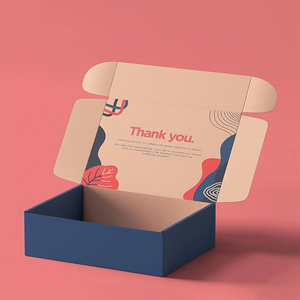
Biodegradable Branded Gift & D2C Packaging Box
Navigating Japan’s Cardboard Packaging Standards & Quality Demands
Exporting corrugated containers and paperboard boxes into Japan requires a radical shift in manufacturing precision compared to Western or emerging markets. Japanese enterprise procurement officers, supply chain directors, and retail buyers evaluate paper packaging under stringent framework parameters governed by JIS (Japanese Industrial Standards) Z 1506 (corrugated boxes for transport) and JIS Z 1516 (corrugated board testing methods).
As a specialized OEM/ODM packaging factory and certified exporter, our manufacturing lines integrate high-density kraft linerboard, moisture-resistant cornstarch adhesives, and computer-controlled die-cutting. This guarantees zero dimensional variance, ultra-clean score lines (preventing dust accumulation in automated sorting fulfillment centers), and precise structural integrity during high-humidity seasonal transits across Kanto, Kansai, and Kyushu regions.
| Evaluation Parameter | Standard Export Grade (Global) | Japan Market Specification (OEM Standard) | Operational Impact in Japan Supply Chains |
|---|---|---|---|
| Dimensional Tolerance | ± 2.5 mm to ± 3.0 mm | ± 0.5 mm to ± 1.0 mm (Strict Precision) | Prevents jamming in Yamato/Sagawa automated sorting conveyors. |
| Bursting Strength (JIS Z 1512) | 12.0 – 14.0 kgf/cm² | ≥ 18.5 kgf/cm² (5-Ply Heavy Duty Grade) | Supports high vertical stacking in space-constrained Tokyo warehouses. |
| Moisture Absorption Rate | Standard Water Resistance | Hydrophobic Hydro-Shield Starch Coating | Prevents carton collapsing during Japan’s summer rainy season (Tsuyu). |
| Crease & Flute Creasing | Standard Mechanical Scoring | Micro-Scored Anti-Cracking Lines | Delivers flawless rectangular folding with 90° crisp edge geometry. |
| Environmental Compliance | General Recyclability | Japanese Recycling Mark (紙マーク) Ready | Complies with the Act on Promotion of Sorted Collection and Recycling. |
Localized Application Scenarios Across Japanese Sectors
From Tokyo D2C cosmetic brands in Ginza to agricultural cold chains in Yamanashi, our packaging is custom-engineered for specific regional operational environments.
D2C E-Commerce & Takkyubin Size Optimization
In Japan’s competitive e-commerce sector (Rakuten, Amazon JP, Yahoo! Shopping), shipping costs are heavily benchmarked on dimensional totals (Sum of L + W + H in cm). We manufacture Size 60, Size 80, and Size 100 exact-fit mailers with integrated double-sided adhesive strips and tear-tapes. This minimizes void fill material, drops dimensional weight charges, and provides an effortless unboxing experience for Japanese consumers.
Agricultural Cold Chain & Fresh Produce Exporters
High-value Japanese agricultural exports—such as Yamanashi peaches, Aomori apples, and Hokkaido melons—require specialized packaging during sea and air transit. Our 5-ply double-wall agricultural boxes utilize water-resistant surface coatings and high-ring-crush fluting. They maintain structural rigidity even under 95% relative humidity and refrigerated storage (+2°C to +5°C).
Luxury Retail, Cosmetics & Oseibo Gifting
Japan’s corporate gifting culture (Ochugen & Oseibo) demands flawless aesthetic presentations. We supply custom collapsible magnetic rigid boxes finished with velvet touch lamination, raised spot UV, hot foil stamping, and satin ribbons. Our factory ensures immaculate corner wrapping without paper burrs or glue residues, satisfying the zero-defect standards of luxury boutiques in Ginza and Omotesando.
Key Drivers Reshaping Packaging Procurement in Japan (2025–2030)
1. The "Datsu-Pla" (De-plasticization) Transition
Driven by the Act on Promotion of Resource Circulation for Plastics, Japanese enterprises are actively phasing out plastic bubble wrap, EPS foam inserts, and poly-bag outer mailers. Our factory provides 100% paper-based structural alternatives, including corrugated cell dividers, molded paper pulp cushions, and glassine-lined mailer boxes that carry the official recyclable paper mark (紙マーク).
2. "2024 Logistics Problem" & Automated Unboxing
With strict overtime caps placed on Japanese truck drivers, logistics fulfillment hubs are rapidly adopting automated packing machinery and high-speed sorting. Our cardboard boxes feature precise die-cut tolerances, pre-creased auto-bottom folds, and low-friction outer liners that allow seamless processing through automated induction systems without human intervention.
Direct OEM Factory Advantages for Japanese Importers
Combining high-capacity manufacturing scale with dedicated quality management geared specifically toward Japanese client standards.
Full In-House Manufacturing & Zero Outer Sourcing
From raw paper roll corrugating to offset multi-color printing, die-cutting, gluing, and automated strapping—every production stage is executed inside our ISO 9001 / ISO 14001 certified facility, guaranteeing strict batch-to-batch consistency.
Zero Defect QC Policy (AQL 0.65 Inspection)
We implement strict Japanese-grade quality control protocol. Every production run undergoes automated optical inspection alongside manual checks for burst pressure, edge crush strength (ECT), print color tolerance (Delta E < 1.5), and glue adhesion integrity.
Optimized Container Loading & Maritime Logistics
Our logistics team custom-designs palletization patterns (utilizing 1100mm × 1100mm Japanese standard T11 pallets) to maximize FCL/LCL ocean container space to Yokohama, Tokyo, Kobe, Osaka, and Nagoya ports, drastically cutting sea freight overhead per unit.
Frequently Asked Questions for Exporting to Japan
Answers to common B2B inquiry topics from Japanese trading companies, wholesalers, and brand owners.
A: Yes, absolutely. We specialize in custom dielines designed specifically for Japanese courier size categories—including Size 60 (Sum ≤ 60cm), Size 80, Size 100, Size 120, Size 140, and Size 160. Our precise CAD creasing ensures that when assembled, the boxes stay strictly within legal dimensional limits to prevent shipping surcharges.
A: We formulate our corrugated boards using heavy-duty high-ring-crush kraft paper combined with hydrophobic starch additives and optional exterior water-repellent varnishes. This prevents the paper fibers from softening or absorbing moisture in high humidity (RH 85%–95%), retaining top-to-bottom compression strength.
A: For standard digital printed corrugated boxes, our MOQ starts as low as 50–500 pieces depending on box structure. For large volume offset/flexo production, standard runs start at 1,000 units. Physical digital structural samples can be produced and delivered via express air freight to Tokyo or Osaka in 3 to 5 business days.
A: Yes. We maintain pre-verified vector templates of the Japanese Kami-Mark (紙マーク) legal recycling symbol. We assist foreign exporters and local Japanese buyers in placing the correctly proportioned symbol on the bottom or side flap of the box in full compliance with Japanese recycling regulations.
A: We routinely operate under FOB (China major ports), CIF (Tokyo, Yokohama, Nagoya, Osaka, Kobe), and DDP (Delivered Duty Paid directly to your warehouse in Japan). Our logistics team manages export customs clearing, Japan import duty filing, and local land transport seamlessly.
A: We utilize Heidelberg multi-color offset presses calibrated with X-Rite spectrophotometers to match Pantone (PMS) and DIC color swatches (popular in Japan). We guarantee a Delta E < 1.5, ensuring your brand's specific color identity remains perfectly consistent across every single production lot.