
Packaging Blog & Expert Insights
Explore box design tips, sustainable packaging ideas, material guides, and industry trends to help elevate your brand unboxing experience.
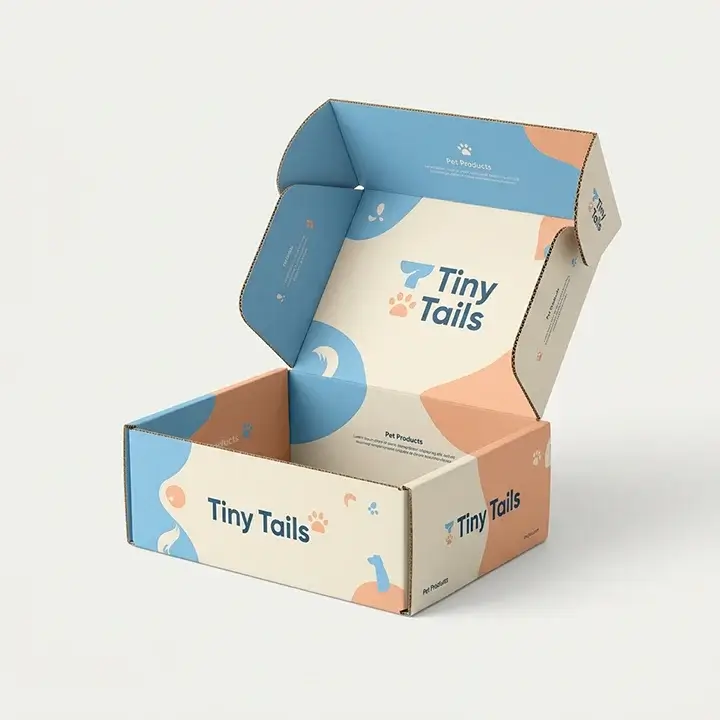
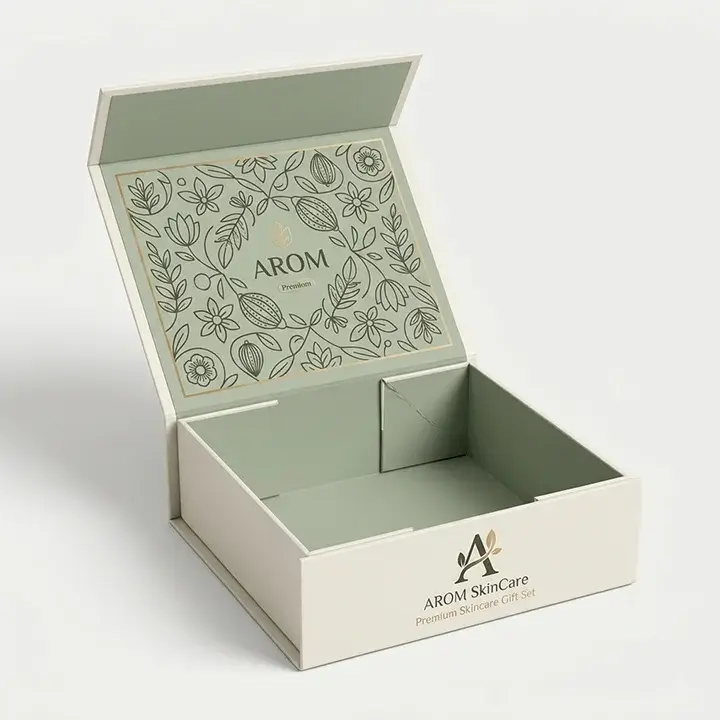
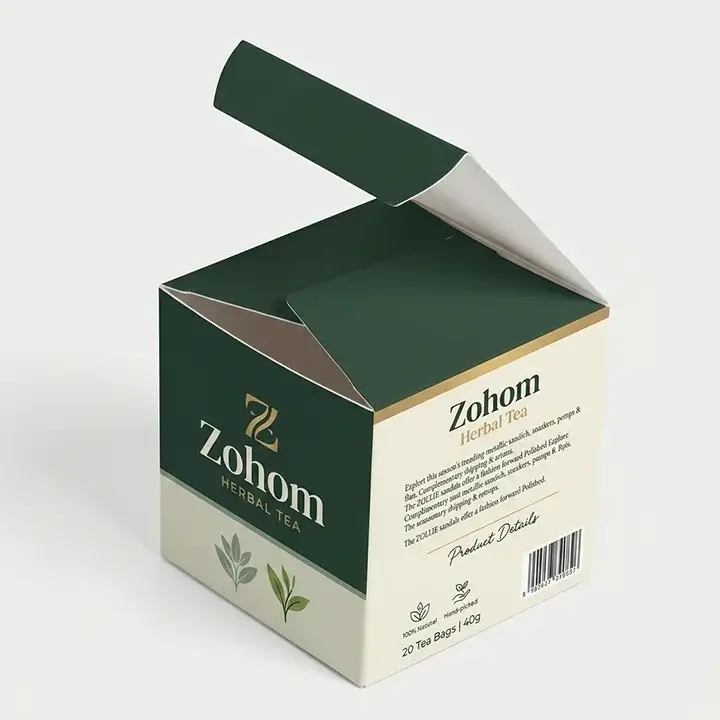
Featured Industrial & Retail Kraft Box Series
Select from our precision-engineered corrugated kraft mailers, heavy-duty shipping cartons, and luxury eco-friendly retail boxes. All configurations support fully customized logo printing, custom structural dielines, and sustainable finishing.
Custom Logo Printed Corrugated Recyclable Clothes Shipping Box
High-tensile kraft corrugated stock engineered for e-commerce apparel and bulk shipping. Features reinforced corner scoring and eco-friendly flexographic printing.
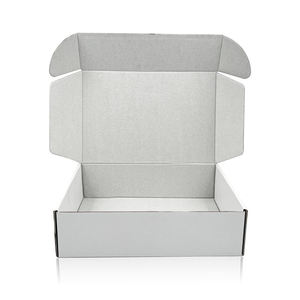
Custom Cosmetic & Clothing Corrugated Cardboard Folding Box
Precision micro-flute paperboard box for luxury skincare and gift items. Offers crisp edge folding, high burst strength, and full CMYK/PMS color accuracy.
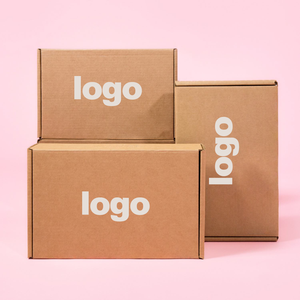
Eco-Friendly Durable Natural Custom Logo Kraft Packaging Mailer
100% biodegradable unbleached natural kraft fibers. Designed for fast tool-free assembly with interlocking side flaps for maximum crush protection.
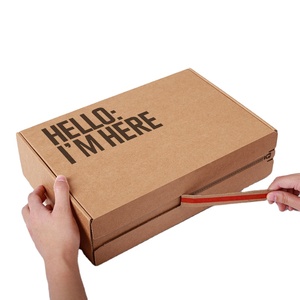
Custom Printed Cardboard Tear-Strip Easy Open Kraft Mailer Box
Features an integrated tamper-evident tear strip and dual adhesive sealing strips. Optimizes unboxing UX while streamlining return logistics.
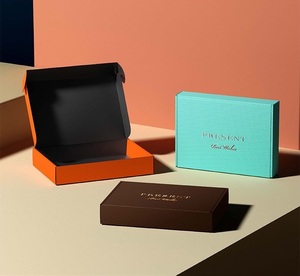
Folding Kraft Paper Packaging Box with Spot UV Branding
Combines rustic brown kraft aesthetics with high-contrast spot UV varnish. Ideal for apparel, subscription boxes, and eco-conscious luxury retail goods.
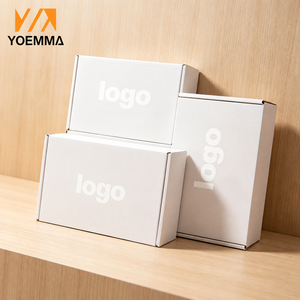
Premium OEM Factory Custom Printed Luxury Retail Kraft Mailer
Heavy-weight virgin kraft linerboard with precision die-cut slots. Factory-calibrated for automatic scoring and high-speed packaging lines.
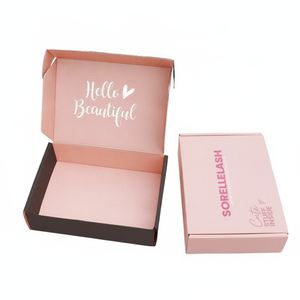
Custom BE Flute Heavy-Duty Kraft E-Commerce Shipping Box
Double-wall BE flute construction engineered to withstand extreme stacking pressures and parcel carrier drop impacts. Ideal for heavy electronics and glass cosmetics.
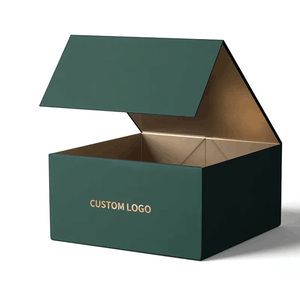
Luxury Magnetic Closure Foldable Kraft Box for Shoes & Gifts
Rigid inner board wrapped in natural kraft paper with concealed neodymium magnetic closures. Ships flat to cut storage costs by 70% while delivering a luxury feel.
Industrial Kraft Paperboard Mechanics: Pulp Chemistry, ECT & Bursting Strength
In modern enterprise packaging procurement, selecting a trusted Kraft boxes manufacturer requires a deep understanding of pulp chemistry, cellulose fiber matrices, and structural load mechanics. Kraft paper derives its exceptional tensile resilience from the sulphate pulping process (originating from the German word kraft, meaning strength). Unlike conventional paperboard production, which degrades cellulose chains via mechanical shearing or acidic processing, sulphate pulping chemically extracts lignin from softwood fibers (such as southern yellow pine and Douglas fir). This leaves behind an unbleached, long-fiber matrix characterized by superior tear resistance, high Mullen bursting strength, and outstanding puncture endurance under dynamic shipping conditions.
Virgin Kraft vs. Recycled Testliner: Structural Performance Dynamics
When sourcing custom paper boxes for B2B supply chains, procurement managers must evaluate the trade-offs between Virgin Kraft Linerboard (KLB) and Recycled Testliner (TLB):
- Virgin Kraft Linerboard (KLB): Composed of >80% virgin softwood pulp fibers. It delivers maximum burst resistance (Mullen rating 200–300 PSI) and superior hydrophobic behavior (low Cobb value). It is the ideal substrate for heavy-duty shipping boxes, cold-chain refrigerated packaging, and high-impact e-commerce mailers.
- Recycled Kraft Testliner (TLB): Formed from re-pulping post-consumer waste (OCC - Old Corrugated Containers). While highly sustainable, re-pulped fibers shorten with each recycling cycle. To compensate, premium manufacturers blend top-layer virgin kraft fibers with starch-reinforced inner plies, achieving cost-effective structural integrity for light-to-medium retail applications.
Edge Crush Test (ECT)
Measures the cross-directional compressive strength of corrugated board. Our standard single-wall E/B flute kraft boxes start at 32 ECT (withstanding 32 lbs/inch load), scaling to 48–51 ECT for heavy double-wall BE flutes.
Mullen Burst Test (PSI)
Evaluates the force required to puncture the corrugated box face. Critical for direct-to-consumer parcel shipping where internal goods exert outward multi-directional hydrostatic pressure.
Cobb Water Absorption Rating
Calculates water weight absorbed by kraft fibers over set durations (Cobb60). Our proprietary bio-wax barrier treatments reduce Cobb ratings from standard 120 g/m² down to <30 g/m² for moisture resistance.
Flute Profile Calibration for Structural Protection
The structural efficacy of corrugated kraft packaging depends heavily on flute height and flute density per linear foot. As a specialized OEM/ODM supplier, we engineer specific flute profiles tailored to your product weight, transportation medium, and aesthetic presentation:
| Flute Type | Flute Thickness | Flutes / Linear Ft | Primary Application | Printing Suitability |
|---|---|---|---|---|
| E-Flute | 1.5 mm (1/16") | 90 ± 4 | Cosmetic Cartons, Apparel Boxes, Luxury Retail | Superior (High-Res Offset & UV Spot) |
| B-Flute | 3.0 mm (1/8") | 47 ± 3 | E-Commerce Mailers, Beverage Carriers, Canned Foods | High (Flexographic & Screen Print) |
| C-Flute | 4.0 mm (11/64") | 39 ± 3 | Master Freight Shipping Containers, Industrial Bulk | Moderate (Standard Flexo Direct-to-Board) |
| BE-Flute (Double Wall) | 4.5 - 5.0 mm | Combined Fluting | Heavy Goods, Electronics, Glassware, Long-Distance Export | High Structural / Moderate Graphic |
Future Procurement Trends: Regulatory Shifts & Bio-Barrier Innovations (2026–2030)
The global industrial paper packaging sector is undergoing a fundamental structural transition. Driven by stringent international environmental legislation, changing consumer expectations, and volatile raw material supply chains, enterprise buyers must align with forward-thinking manufacturers equipped to navigate these systemic shifts.
1. Mandatory EU PPWR & US State-Level PFAS Bans
Legislation such as the European Packaging and Packaging Waste Regulation (PPWR) and US state laws (e.g., California AB 1200, Maine LD 1435) are outlawing per- and polyfluoroalkyl substances (PFAS) in food-contact packaging. Modern Kraft suppliers must transition to PFAS-free, water-based dispersion coatings (WBC) that deliver grease and moisture barrier performance while keeping the paperboard 100% repulpable under PTS and Western Michigan University (WMU) testing standards.
2. Mono-Material Circularity & Plastic Elimination
Global brands are actively phasing out composite multi-material packaging (such as polyethylene-laminated paperboards) in favor of mono-material paper systems. By combining high-density virgin kraft substrates with paper-based structural inserts (instead of EVA or PE foam inserts), companies simplify curbside recycling, eliminate plastic taxes, and achieve true cradle-to-cradle sustainability.
3. Automated CAD Dielines & Short-Run On-Demand Manufacturing
Traditional packaging procurement forced buyers to order tens of thousands of units to offset high custom steel-rule die setup fees. Next-generation production leverages digital CNC laser-cutting and automated scoring machinery. This allows enterprise buyers to procure customized Kraft boxes with low Minimum Order Quantities (starting at just 50 pcs), eliminating inventory carrying costs and reducing warehousing footprint.
Scope 3 Carbon Accounting & Life Cycle Assessment (LCA) Transparency
In accordance with Corporate Sustainability Reporting Directives (CSRD) and global ESG disclosure frameworks, procurement directors now audit suppliers based on Scope 3 greenhouse gas emissions. Kraft paper boxes manufactured with closed-loop biomass energy systems and unbleached pulping processes demonstrate a significantly lower carbon footprint compared to bleached SBS paperboard or plastic poly-mailers:
- Reduced Energy Consumption: Unbleached kraft pulping requires up to 40% less thermal and electrical energy than fully bleached sulphate pulp manufacturing.
- Closed-Loop Chemical Recovery: Modern sulphate pulp mills recover over 95% of black liquor process chemicals, burning residual organic lignin to generate clean process steam and co-generate green electricity.
- Freight Weight Optimization: Micro-flute corrugated kraft designs reduce tare packaging weight without sacrificing ECT crush ratings, cutting downstream fuel consumption during freight transport.
Enterprise OEM/ODM Manufacturing Capabilities
We combine heavy industrial manufacturing capacity with agile custom engineering to support direct-to-consumer e-commerce brands, global retail chains, and industrial distributors.
Low MOQ & Fast 8–10 Day Turnaround
Order as few as 50 pieces for product testing or scale up to 500,000 units for seasonal retail rollouts. Standard orders ship within 8 to 10 business days after artwork approval, with rush production available in 5 days.
Zero Die-Cut & Printing Plate Setup Fees
We eliminate hidden setup charges. Custom dielines, structural box shapes, handle cutouts, and tear-strip additions are designed and executed without initial tooling or plate fees.
Free 2D Dielines & Interactive 3D Mockups
Visualize your custom branded Kraft packaging before committing to production. Our structural design team delivers 2D CAD dielines and full-color 3D digital rendering proofs within 24 hours.
Consistent High-Precision Color Accuracy
Equipped with Heidelberg offset presses, Roland UV digital systems, and high-speed flexo printers. We guarantee precise Pantone matching (PMS) and CMYK fidelity across repeat production runs.
End-to-End In-House Production
From raw paperboard slitting and corrugated fluting to offset printing, die-cutting, gluing, and automated bundling — all manufacturing processes are fully integrated under one roof.
Global Logistics & Door-to-Door Freight
We provide seamless global distribution including DDP (Delivered Duty Paid), air express, and sea container shipping across North America, Europe, Australia, and Asia-Pacific regions.
Frequently Asked Questions (FAQ) for Kraft Box Procurement
Get expert answers regarding material selection, structural engineering, ordering logistics, custom finishing, and sustainability compliance.
What is the difference between Virgin Kraft and Recycled Kraft boxes?
How do I determine the correct Edge Crush Test (ECT) rating for my shipping boxes?
- 23 ECT to 32 ECT (Single Wall E/B Flute): Suitable for products up to 30 lbs sent via standard parcel carriers (FedEx, UPS, DHL).
- 44 ECT to 48 ECT (Heavy Single Wall / BC Flute): Recommended for shipments up to 65 lbs requiring master carton stacking.
- 51 ECT to 80 ECT (Double Wall BE/BC Flute): Engineered for heavy industrial parts, fragile glass, or freight pallet shipping over 80 lbs.
Can custom logo printing be applied directly onto natural brown Kraft boxes?
Are your Kraft boxes suitable for direct food contact and takeout packaging?
What is your Minimum Order Quantity (MOQ) and sample turn-around time?
How do magnetic foldable kraft boxes help reduce warehousing costs?
What surface finishing and embellishment options are available for Kraft paperboard?
- Spot UV & 3D Raised Gloss: Highlights brand logos against matte kraft paper background.
- Hot Foil Stamping: Metallic gold, silver, copper, and rose gold foil applications.
- Embossing & Debossing: Creates tactile 3D raised or recessed brand graphics.
- Custom Window Cutouts: High-clarity biodegradable PLA film windows for product visibility.
Ready to Elevate Your Brand with Sustainable Kraft Packaging?
Get instant factory-direct wholesale quotes, free 2D/3D dieline mockups, and expert structural engineering guidance from our senior technical packaging team.