
Packaging Blog & Expert Insights
Explore box design tips, sustainable packaging ideas, material guides, and industry trends to help elevate your brand unboxing experience.
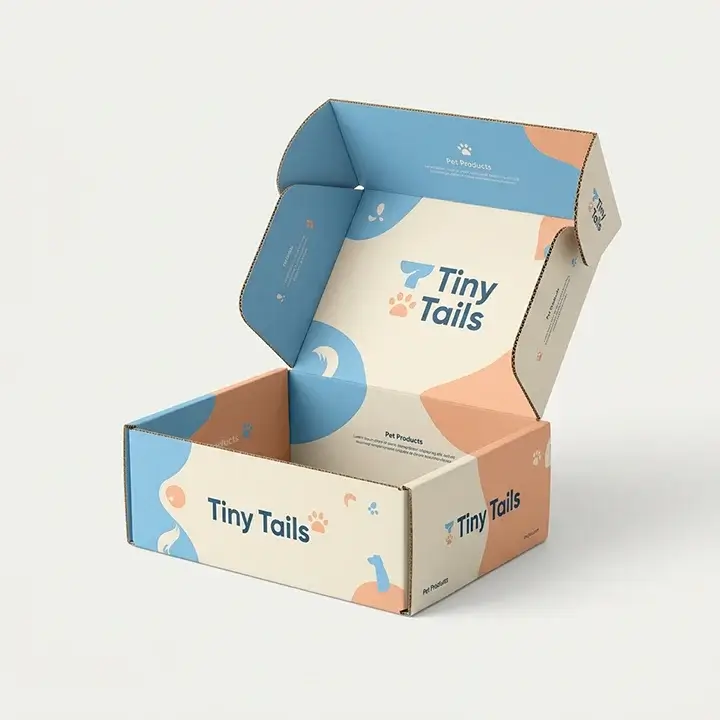
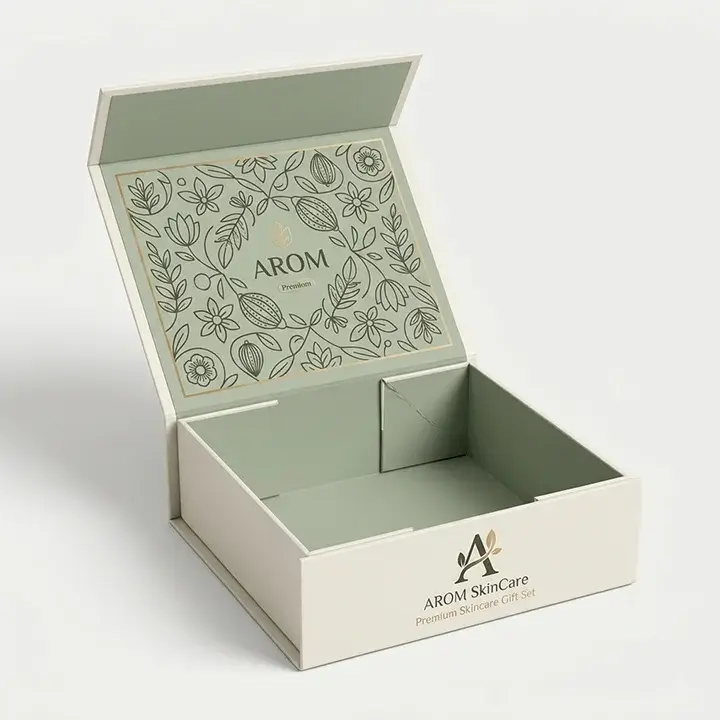
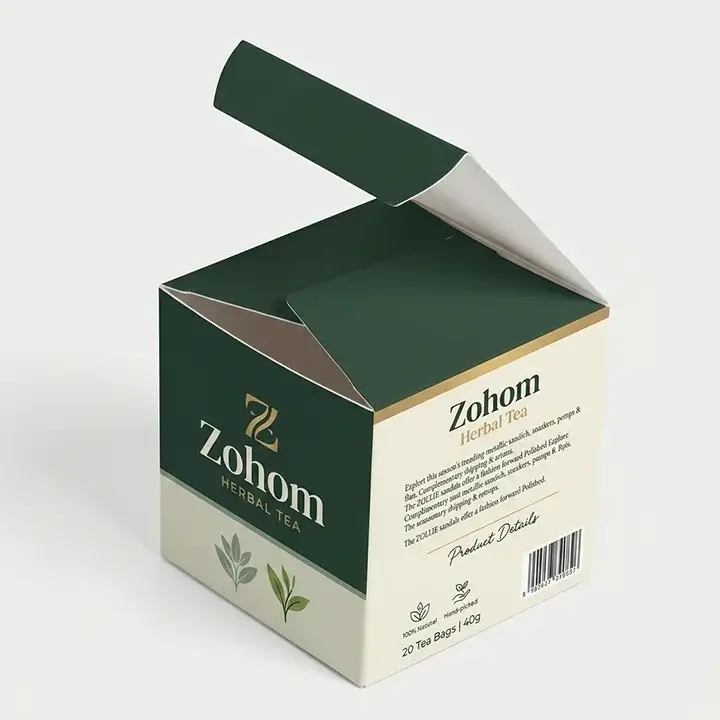
Featured China Custom Clear & Hybrid Packaging Solutions
Factory-direct clear boxes, clear-window mailers, and folding cartons engineered with optical clarity and structural resilience.
Custom Corrugated Packaging Box with Clear Coating
Recyclable high-rigidity apparel shipping box with customized brand logo printing and protective finish.
Get a Quote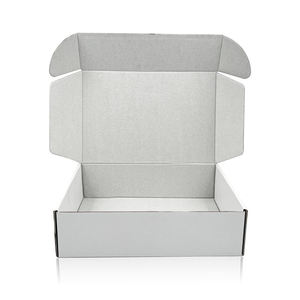
Custom Cosmetic & Clothing Packaging Folding Box
Precision die-cut paperboard folding gift box with optional transparent insert tray for cosmetics.
Get a Quote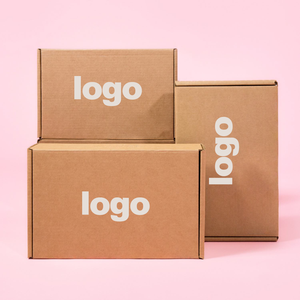
Eco Kraft Mailer Box with Clear View Window Option
Durable natural kraft paperboard paired with high-transparency APET window for eco-focused retail display.
Get a Quote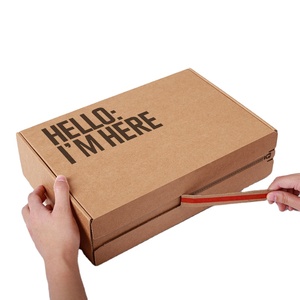
Tear-Strip Corrugated Box with High-Gloss Coating
E-commerce shipping box equipped with easy-open tear strip and custom anti-scratch exterior lamination.
Get a Quote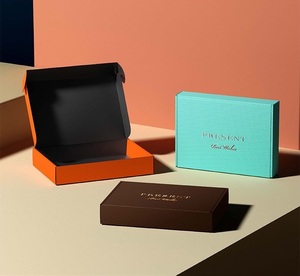
UV Coated Kraft Apparel Box with Clear Seal
Folding corrugated kraft packaging featuring selective spot UV gloss and crystal-clear moisture barriers.
Get a Quote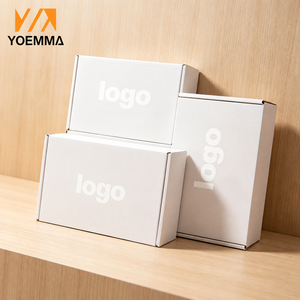
Premium OEM Clear-Window Luxury Mailer Box
Bespoke retail mailer box engineered with soft-crease plastic folding tabs for 360-degree product visibility.
Get a Quote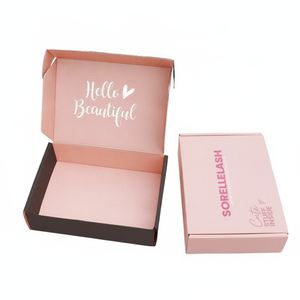
BE Flute Corrugated E-Commerce Box with Clear Trays
Dual-flute structural integrity designed to house thermoformed PET protective inserts for fragile glass containers.
Get a Quote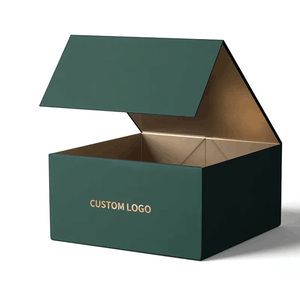
Luxury Magnetic Foldable Box with Rigid PET Sleeve
Collapsible high-end footwear and apparel box featuring hidden magnetic closure and transparent outer sleeve.
Get a QuoteMaterial Science Analysis: APET vs. RPET vs. PVC vs. PP Clear Packaging
In the high-stakes world of global consumer packaged goods (CPG), clear plastic boxes serve a dual function: securing structural protection while serving as an active visual engine for consumer conversion. Selecting the optimal polymer matrix is the first strategic hurdle for procurement officers and packaging engineers sourcing from Chinese OEMs. Modern clear box manufacturing relies heavily on three primary synthetic polymers: Polyethylene Terephthalate (PET and its variations APET, RPET, PETG), Polyvinyl Chloride (PVC), and Polypropylene (PP).
Amorphous Polyethylene Terephthalate (APET) has established itself as the gold standard for luxury retail packaging. Exhibiting a luminous refractive index comparable to high-grade silica glass and optical haze ratings consistently under 1.0%, APET ensures uncompromised color rendition of internal merchandise. Furthermore, APET is 100% recyclable, fully compliant with global curbside recycling programs, and chemically inert, meeting stringent FDA (21 CFR 177.1630) and EU (10/2011) food contact requirements.
Recycled Polyethylene Terephthalate (RPET) has emerged as an essential material for brands aiming to comply with Western legislative mandates, such as the EU Single-Use Plastics Directive and California’s SB 54. Leading Chinese manufacturers now offer clear RPET boxes containing up to 100% post-consumer recycled content without experiencing yellowing or hazing, thanks to advanced solid-state polymerization (SSP) and multi-layer co-extrusion technology.
Polyvinyl Chloride (PVC) remains a cost-effective alternative for localized, budget-sensitive applications due to its excellent impact strength and ease of thermoforming. However, severe regulatory restrictions across North America and Western Europe—driven by chlorine byproduct concerns during incineration—have caused a rapid global procurement shift away from PVC in favor of APET and RPET.
Polypropylene (PP) is selected for applications requiring extreme flexural fatigue resistance. Known for its capability to create robust "living hinges," PP clear boxes are lightweight, stress-crack resistant, and possess a distinct semi-translucent aesthetic. PP features a lower density (0.90 g/cm³) compared to PET (1.38 g/cm³), resulting in a significant weight reduction that yields substantial freight savings during bulk sea transport.
| Polymer Type | Optical Transparency | Impact Resistance | Recyclability Grade | Anti-Scratch Capability | Primary Industrial Use |
|---|---|---|---|---|---|
| APET (Virgin PET) | 92% - 94% (Ultra High) | High | 100% (RIC #1 - Widely Recycled) | High (With Hard Coating) | Cosmetics, Luxury Electronics, Retail |
| RPET (Post-Consumer) | 88% - 91% (High) | High | 100% (RIC #1 - Circular Stream) | Moderate to High | Eco-Branded Apparel, CPG Packaging |
| PVC (Polyvinyl Chloride) | 85% - 89% (Moderate) | High | Low (RIC #3 - Restricted in EU/US) | Moderate | Budget Hardware, Consumer Goods |
| PP (Polypropylene) | 75% - 82% (Translucent) | Very High (Flexible) | 100% (RIC #5 - Standard Stream) | Low (Soft Surface) | Stationery, Living-Hinge Cases |
Engineering Innovations: Soft-Crease Die-Cutting & Ultrasonic Sealing
How China's premier packaging factories overcome stress-whitening, structural collapses, and automated assembly bottlenecks.
Soft-Line Creasing Technology
Traditional scoring causes stress whitening and rigid fold lines. Advanced Chinese factories utilize micro-perforated radio-frequency (RF) thermo-creasing blades. This process reduces folding resistance by 60%, allowing automated high-speed packing lines to fold and seal clear boxes flawlessly without manual intervention.
Anti-Scratch Silicone Surface Coatings
Clear plastic substrates are inherently prone to static friction and micro-scratches during shipping. Modern OEMs integrate inline nano-silicone anti-scratch coatings during the sheet extrusion phase. This barrier drops the coefficient of friction (COF) below 0.2, protecting pristine optical clarity across long-distance sea freight.
High-Frequency Ultrasonic Welding
Eliminating messy solvent adhesives, high-frequency ultrasonic bonding applies 28kHz acoustic energy to molecularly fuse side joints. The result is a clean, instant, solvent-free bond line that resists structural failure, moisture ingress, and thermal degradation under cold-chain or tropical transit conditions.
Global Sourcing Trends: 2025–2030 Supply Chain Benchmarks
The global market for clear plastic packaging is undergoing a profound structural evolution. Sourcing managers are no longer evaluating suppliers based solely on piece-part costs; total cost of ownership (TCO), carbon footprint compliance, and supply chain agility are now core metrics. When sourcing clear folding boxes and clear window mailers from China, enterprise buyers must navigate three major market forces:
1. Legislative Compliance and Carbon Tariffs: The implementation of Europe's Carbon Border Adjustment Mechanism (CBAM) and strict plastics taxes across various jurisdictions require Chinese manufacturers to provide transparent Life Cycle Assessments (LCA). Top-tier clear box factories in provinces like Zhejiang and Guangdong have upgraded to solar-powered facilities and ISO 14064 certified carbon accounting platforms, enabling foreign importers to verify reduced scope 1 and scope 2 emissions.
2. Flat-Ship Freight & Storage Optimization: Ocean freight volatility makes volumetric efficiency a key profitability driver. High-clarity APET clear boxes ship 100% flat, enabling up to 10,000 units to fit onto a single standard wooden pallet. Compared to pre-assembled rigid plastic setup boxes, flat-shipping clear boxes reduce inland truck transportation costs and warehousing footprint by over 80%.
3. Anti-Counterfeiting & Smart Packaging Integration: Premium cosmetic, pharmaceutical, and consumer technology brands are increasingly augmenting clear plastic folding boxes with micro-encapsulated optical security features. Leading Chinese manufacturers now integrate high-resolution UV fluorescent inks, localized holographic micro-embossing, and invisible structural QR codes directly onto clear PET sheets during the printing cycle.
ESD Anti-Static Protection
For high-end semiconductor, medical device, and consumer electronics packaging, top Chinese suppliers incorporate permanent anti-static agents (surface resistivity of 10⁹ to 10¹¹ Ω/sq). This prevents static charge accumulation, eliminating dust attraction on retail shelves and protecting sensitive electronic components.
Hybrid Paper-Plastic Engineering
Combining structural kraft paperboard with high-clarity clear PET window cutouts provides optimal structural rigidity alongside clear product visibility. Advanced auto-patching machinery applies PET film to paperboard die-cuts at speeds exceeding 12,000 units per hour, optimizing both cost and production throughput.
China Manufacturer Selection Standard: Audit Protocols & QA Verification
Selecting the right OEM partner in China requires a systematic evaluation framework. Overseas procurement officers often encounter challenges when distinguishing between third-party trading intermediaries and true direct manufacturers operating automated cleanroom facilities. The following three-step audit protocol is recommended by senior supply chain executives:
1. Cleanroom & Extrusion Audit
Verify that the factory owns continuous sheet extrusion lines and maintains ISO Class 8 (Class 100,000) dust-free cleanrooms for printing and folding. Particles trapped between clear PET layers during printing cause visible blemishes and high reject rates on finished goods.
2. Optical & Physical Testing
Require standard quality control test reports for every batch: Spectrophotometer Haze Test (ASTM D1003), Surface Tension Dyne Test (minimum 38 dynes/cm for ink adhesion), and ISTA 3A Drop Tests for sealed, assembled units.
3. Tooling & Mold Management
Evaluate the factory’s internal CNC toolmaking capabilities. Manufacturers equipped with precision Swiss laser die-cutting equipment can deliver physical CAD prototypes within 24–48 hours, significantly accelerating brand launch timelines.
Enterprise Manufacturing Benchmarks & Plant Capabilities
Why leading global brands partner with our specialized clear packaging manufacturing facilities in China.
Zero Plate/Die Charges
We absorb standard tooling and CAD dieline creation costs across custom shape developments, enabling low upfront capital expenditure.
8-10 Day Delivery
Fully automated high-speed UV offset printing presses and robotic assembly lines ensure standard production order fulfillment in 8–10 business days.
Free 3D Proofing
Our engineering team provides interactive 3D digital mockups and 2D CAD structural dielines within 12 hours of artwork submission.
Low MOQ (50 Pcs)
Support agile market testing, product pilots, and seasonal SKU rollouts with flexible order quantities starting at just 50 pieces.
Frequently Asked Questions: Clear Packaging Procurement
Technical and commercial guidance for purchasing managers and packaging engineers.
How do Chinese clear box factories prevent yellowing over long store shelf lifespans?
What is the minimum recommended wall thickness for clear plastic boxes based on payload weight?
• Light items (0–200g, e.g., cosmetic lipsticks, socks): 0.25mm to 0.30mm (10pt - 12pt APET).
• Medium items (200g–600g, e.g., apparel, cell phone accessories): 0.35mm to 0.45mm (14pt - 18pt APET).
• Heavy items (600g–2kg+, e.g., liquor bottles, footwear sets): 0.50mm to 0.70mm (20pt - 28pt APET or rigid RPET).
Can clear plastic boxes be printed with custom artwork without sacrificing transparency?
How do soft-crease plastic clear boxes impact automated high-speed packaging lines?
What are the compliance certifications required for exporting clear food packaging from China?
How do volumetric freight calculations favor flat-folded PET clear boxes over rigid boxes?
Optimize Your Clear Packaging Supply Chain Today
Connect directly with our engineering team in China for custom dieline creation, instant pricing estimates, and factory-direct volume quotes within 30 minutes.