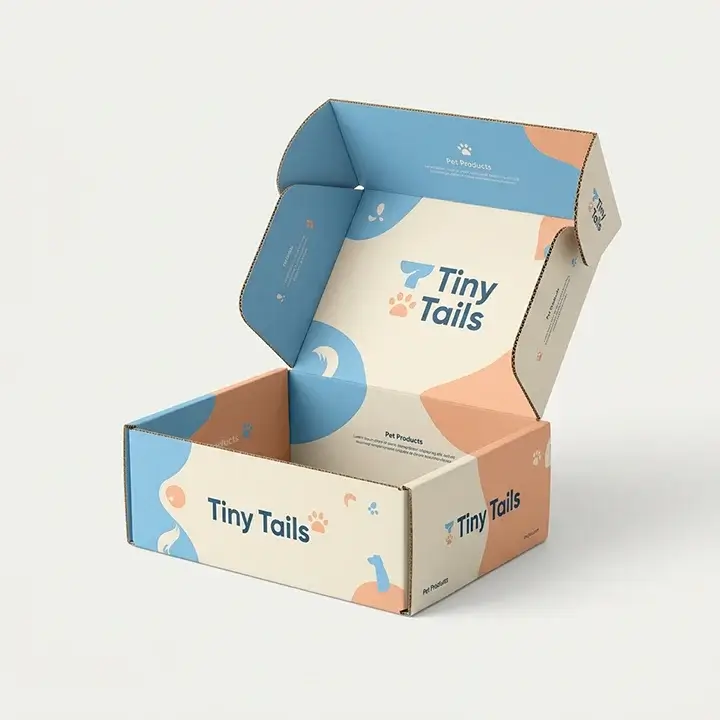
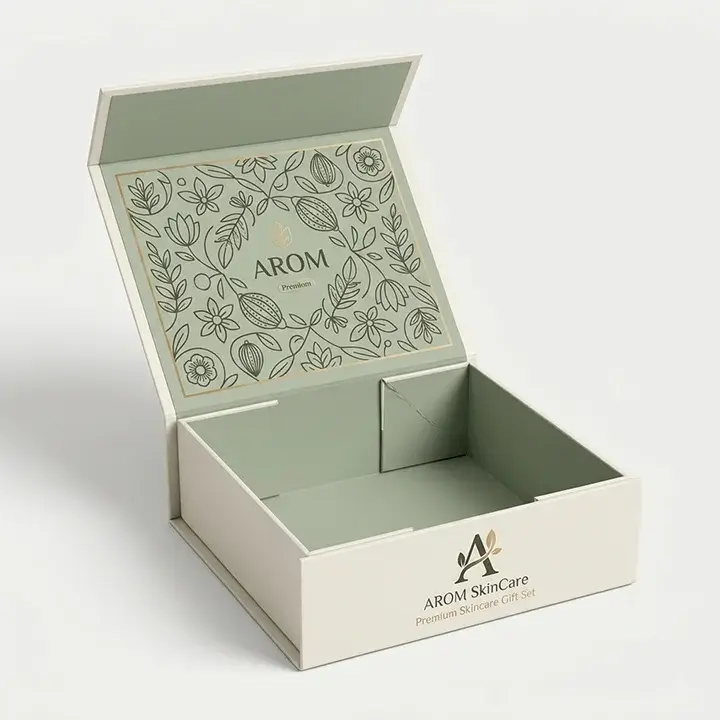
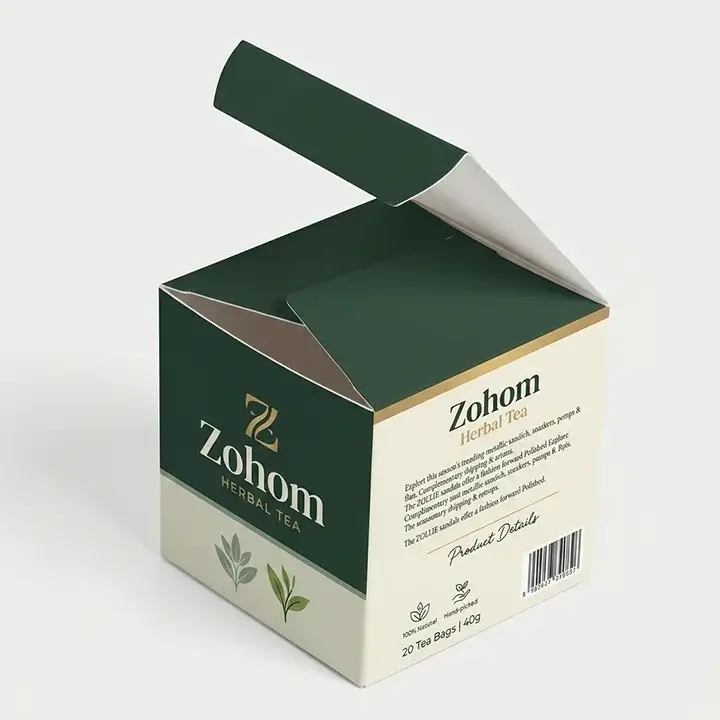
The global bakery sector is becoming more visual, more delivery-focused, and more demanding about packaging performance. Custom Bakery Packaging Boxes now protect fragile cakes, carry brand messages, and influence repeat purchases. A white pastry box with a tight locking tab can prevent cream damage during a short motorcycle delivery. Small details matter.
Smithers’ The Future of Paper-Based Packaging to 2028 reports continued growth in paper packaging, driven by e-commerce, food delivery, and sustainability demands. Grand View Research also identifies food packaging as a major contributor to global packaging consumption. These reports show market direction, but they do not prove that every supplier offers dependable quality. Testing still matters. Food-contact compliance, moisture resistance, board strength, ink safety, and recycling claims require careful verification.
Louis Cheskin, a respected consumer psychologist and packaging authority, famously said, “Packaging is the silent salesman.” His observation remains practical for bakery brands. A supplier’s box should preserve product appearance while communicating freshness, craftsmanship, and trust. Leading manufacturers worldwide may offer kraft cartons, window boxes, rigid gift boxes, or grease-resistant folding designs. Yet no supplier wins every test. Some excel at luxury printing, while others provide better pricing or faster regional delivery.
This guide compares top Custom Bakery Packaging Boxes suppliers through material quality, customization, production capability, sustainability evidence, minimum order quantities, and delivery experience. Readers should request samples before placing large orders. A beautiful prototype can still fail under humidity, stacking pressure, or transport vibration. That uncomfortable gap deserves attention. Reliable packaging begins with evidence, not promises.
Defining Custom Bakery Boxes: Formats, Materials, and Global Supplier Scope
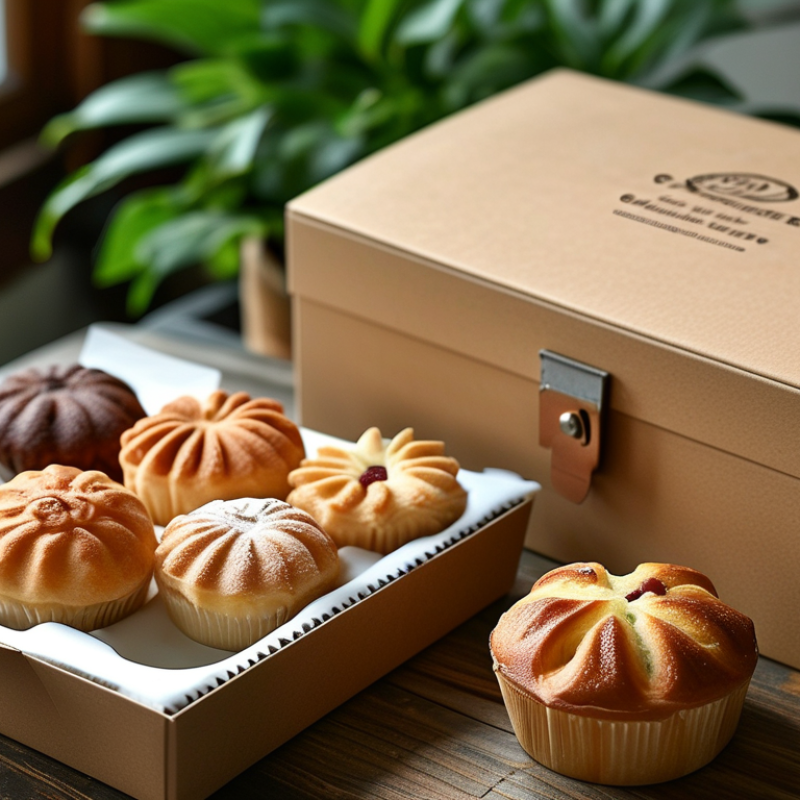
Custom bakery boxes include cake cartons, cupcake inserts, pastry sleeves, bread bags, and windowed folding boxes. Each format serves a different handling problem. Tall cakes need rigid walls and locking bases. Delicate pastries need inserts that prevent sliding. Standard materials include SBS paperboard, kraft board, and corrugated fiberboard. Grease-resistant coatings protect the surface, but they may affect recycling in some regions. There is no perfect material.
According to Smithers’ The Future of Sustainable Packaging to 2028, global packaging demand continues moving toward recyclable and fiber-based solutions. Grand View Research also valued the global food packaging market at over 500 billion dollars in 2023. These figures show why suppliers now offer regional production, digital printing, short runs, and export-ready structures. A reliable supplier should explain board thickness, food-contact suitability, moisture resistance, testing, and delivery limits. “Eco-friendly” alone proves little. Documentation matters.
Tips: Request a physical sample before ordering. Test it with warm pastries, buttercream, and chilled fillings. Check compression strength and opening speed. Ask whether the coating is recyclable locally. A small design error can damage a beautiful cake. Supplier quality still varies, even with detailed specifications.
Market Evidence: Smithers Forecasts for Global Packaging Through 2028
Custom bakery packaging is moving beyond decoration. Smithers’ forecasts for global packaging through 2028 indicate continued demand for efficient, practical, and lower-impact packaging solutions. This trend creates opportunities for suppliers serving bakeries across different regions. However, forecast growth does not guarantee equal demand everywhere. Local delivery habits, bakery sizes, and customer expectations still shape purchasing decisions.
Reliable suppliers should connect market evidence with real production experience. They need to offer stable board quality, accurate printing, and packaging that protects cakes, pastries, and delicate toppings. A useful supplier can provide physical samples, compression information, and clear food-contact documentation. Moisture resistance matters when cream fillings meet warm delivery conditions. Grease resistance matters even more.
Small details affect trust.
Buyers should test boxes through stacking, opening, carrying, and short-distance delivery. These simple checks often reveal weak corners or loose lids. Suppliers should also explain minimum order quantities, lead times, and recycling options without vague claims. Smithers’ outlook offers valuable direction, but it should not replace direct testing or local market research. Packaging forecasts can be persuasive, yet they may overlook seasonal bakery demand and sudden material price changes. That limitation deserves honest attention when comparing worldwide suppliers.
Food-Contact Safety: FDA 21 CFR, EU 1935/2004, and ISO 22000
Top Custom Bakery Packaging Boxes Suppliers Worldwide
Food-contact safety begins before a bakery box reaches the production line. During supplier reviews, I examine the paperboard, coatings, inks, adhesives, and recycled content separately. Each material can affect migration performance. Request current declarations, test reports, and traceability records. Do not accept vague statements such as “food safe.”
FDA 21 CFR requirements may apply to substances contacting food in the United States. The supplier should identify relevant material provisions and testing conditions. For European sales, Regulation (EC) No. 1935/2004 requires materials to avoid harmful transfer, odor, or taste changes. Supporting documentation should match the actual box structure. A beautiful sample proves very little.
Look closely.
ISO 22000 certification can show a controlled food-safety management system. However, it does not automatically prove every box meets FDA or European contact rules. Ask about batch codes, supplier audits, complaint handling, and corrective actions. Check whether printed surfaces remain outside the food-contact area. I once focused too heavily on certificates and overlooked adhesive specifications. That was a useful warning. Safety files need technical review, not just confident sales language. Suppliers serving global bakeries should explain regional differences clearly and update documents when formulations change. Fresh pastries, grease, moisture, and heat can expose weaknesses that ordinary packaging tests miss.
Supplier Ranking Metrics: MOQ, Lead Time, Capacity, and Export Performance
Top Custom Bakery Packaging Boxes Suppliers Worldwide
Supplier Ranking Metrics: MOQ, Lead Time, Capacity, and Export Performance
When comparing custom bakery packaging suppliers, MOQ reveals more than purchasing flexibility. A low MOQ supports seasonal products, test launches, and small retail programs. However, it may reflect limited production efficiency. Ask whether the quoted MOQ applies to each size, print design, or combined order. Request a physical sample before approving a large batch. Check board thickness, folding accuracy, grease resistance, and print alignment.
Lead time should be measured from artwork approval, not from the first inquiry. Reliable suppliers separate sampling, production, inspection, and shipping schedules. A practical benchmark includes buffer days for material shortages or port delays. Capacity matters during holidays, when pastry demand can rise sharply. Review monthly output, equipment type, shift planning, and quality-control records. A factory may promise high volume but struggle with consistent color or box dimensions. That gap matters.
Export performance adds another layer of evidence. Examine shipment history, destination coverage, packaging protection, and document accuracy. Suppliers should explain how they manage cartons, pallets, customs paperwork, and damage claims. Ask for recent, verifiable references where possible. Ranking systems are never perfect. I would score proven delivery reliability above attractive pricing. One weakness remains: public data can be incomplete. Recheck performance with a trial order, inspection photos, and measured delivery results before scaling.
Top Custom Bakery Packaging Boxes Suppliers Worldwide - Supplier Ranking Metrics: MOQ, Lead Time, Capacity, and Export Performance
| Rank |
Anonymous Supplier Profile |
Primary Production Region |
MOQ
(Boxes) |
Standard Lead Time
(Business Days) |
Estimated Annual Capacity
(Million Boxes) |
Export Share
(% of Output) |
Regular Export Markets
(Count) |
Quality & Compliance Readiness |
Weighted Score
(100) |
| 1 |
Supplier Profile 01 |
East Asia |
1,000 |
18–25 |
120 |
82% |
35+ |
Advanced |
91.4 |
| 2 |
Supplier Profile 02 |
South Asia |
2,000 |
20–30 |
85 |
76% |
28+ |
Advanced |
87.8 |
| 3 |
Supplier Profile 03 |
East Asia |
500 |
22–30 |
68 |
71% |
24+ |
Advanced |
85.6 |
| 4 |
Supplier Profile 04 |
Europe |
1,500 |
25–35 |
42 |
64% |
22+ |
Advanced |
82.9 |
| 5 |
Supplier Profile 05 |
North America |
2,500 |
28–38 |
35 |
48% |
16+ |
Advanced |
78.7 |
| 6 |
Supplier Profile 06 |
Southeast Asia |
1,000 |
25–35 |
51 |
59% |
19+ |
Established |
77.3 |
| 7 |
Supplier Profile 07 |
Middle East |
3,000 |
30–42 |
28 |
43% |
14+ |
Established |
71.8 |
| 8 |
Supplier Profile 08 |
Latin America |
2,000 |
30–45 |
24 |
38% |
11+ |
Established |
68.5 |
Ranking methodology: MOQ 20%, lead time 20%, annual production capacity 25%, export performance 25%, and quality/compliance readiness 10%. Lead times exclude ocean or air transit. Capacity figures refer to estimated annual folding-carton and rigid-box output for custom bakery packaging. Supplier profiles are anonymized benchmark categories rather than company or brand names.
Sustainability and Cost: Eurostat Packaging-Waste Data and FSC Standards
Custom bakery packaging suppliers now face a measurable waste challenge. Eurostat reported 186.5 kilograms of packaging waste per EU resident in 2022. The overall recycling rate reached approximately 64%. These figures make material selection a cost issue, not only an environmental one.
For bakery boxes, recycled paperboard can reduce virgin-fiber demand, but it may need stronger folding design. A weak corner can increase product damage and replacement costs. Supplier audits should check board weight, food-contact suitability, print coverage, and delivery conditions. Small details matter. FSC certification supports responsible forest sourcing through documented chain-of-custody controls. However, certification alone does not prove that a box uses recycled content or creates a lower total footprint. Buyers should request current certificates, recycled-content evidence, and packaging-weight data.
Custom sizing can also reduce empty space during transport. Yet complex shapes may increase tooling, setup, and cutting waste. The cheapest quotation is not always the lowest operating cost. A practical comparison should include unit price, minimum order quantity, defect rates, freight volume, and disposal requirements. The data is useful, but imperfect. Eurostat measures packaging waste across broad categories, not bakery boxes alone. Suppliers should therefore provide product-level evidence, while buyers should review it before making sustainability claims.
Top Custom Bakery Packaging Boxes Suppliers Worldwide: Sustainability and Cost
EU packaging waste generation increased sharply in 2021 and remained high in 2022, highlighting the importance of material efficiency, lightweight packaging design and responsibly sourced paperboard.
The chart shows packaging waste generated per person in the European Union. Values: 177.4 kg in 2019, 177.3 kg in 2020, 188.7 kg in 2021 and 186.5 kg in 2022. FSC Chain of Custody standards, including FSC-STD-40-004, support traceability of certified forest-based materials used in packaging. Source: Eurostat, Packaging Waste Statistics, dataset env_waspac; FSC normative standards.
FAQS
Common formats include cake cartons, cupcake inserts, pastry sleeves, bread bags, and windowed folding boxes. Each format solves a different handling problem.
Tall cakes need rigid walls and locking bases. These features reduce leaning during carrying and short-distance delivery. A weak base can ruin careful decoration.
Inserts hold cupcakes in separate spaces and reduce sliding. Test them with buttercream, chilled fillings, and sudden movement. Small gaps can still cause damage.
Common materials include SBS paperboard, kraft board, and corrugated fiberboard. Corrugated board offers stronger protection. Kraft board can create a natural appearance. No material is perfect.
Coatings protect surfaces from butter, cream, and oil. However, recycling rules differ by region. Ask whether the local system accepts that specific coating.
Request a physical sample before placing a large order. Test warm pastries, buttercream, chilled fillings, stacking, carrying, and opening speed. Real testing matters.
Confirm whether the minimum order applies to each size, design, or combined shipment. Measure lead time from artwork approval, not the first inquiry. Allow buffer days.
Ask about monthly output, equipment, shifts, inspection records, and recent delivery evidence. Review pallet protection, carton handling, customs documents, and damage procedures. Promises are not proof.
No. A low minimum order may reflect limited production efficiency. Cheap pricing may hide inconsistent colors, weak corners, or incorrect dimensions. Trial orders reveal more.
Conclusion
Custom Bakery Packaging Boxes are designed to protect baked goods, preserve freshness, and strengthen product presentation across international markets. They can be produced in formats such as folding cartons, window boxes, trays, sleeves, and transport cases, using paperboard, corrugated fiberboard, or food-grade coated materials. Global demand is expected to remain supported by the expansion of food delivery, takeaway services, and premium bakery products through 2028.
A reliable supplier should be evaluated by minimum order quantity, production lead time, manufacturing capacity, quality control, and export experience. Food-contact compliance is essential, including relevant FDA 21 CFR requirements, EU Regulation 1935/2004, and structured food-safety systems such as ISO 22000. Sustainability and cost should also be considered through material efficiency, recyclable design, responsible forestry certification such as FSC, and packaging-waste trends reported in Europe. These factors help buyers select packaging that balances safety, performance, environmental responsibility, and commercial value.