
Packaging Blog & Expert Insights
Explore box design tips, sustainable packaging ideas, material guides, and industry trends to help elevate your brand unboxing experience.
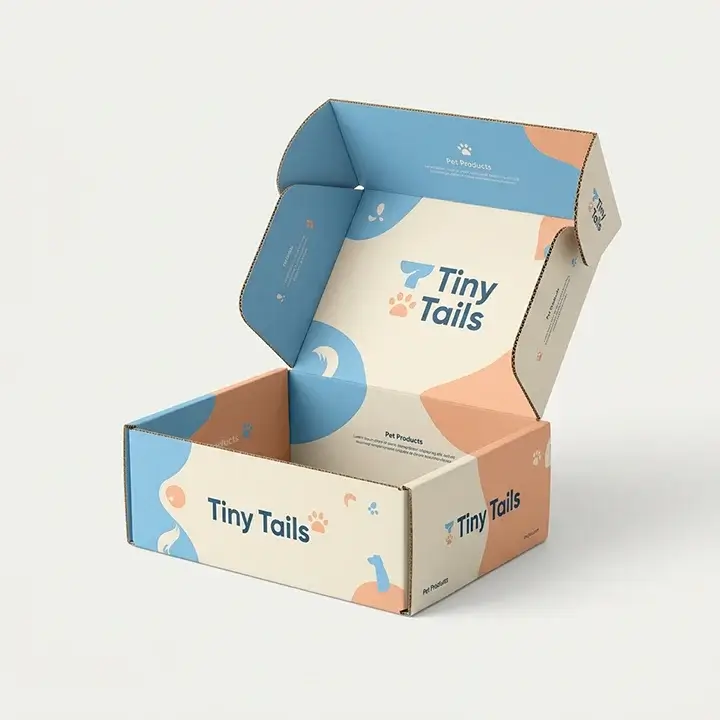
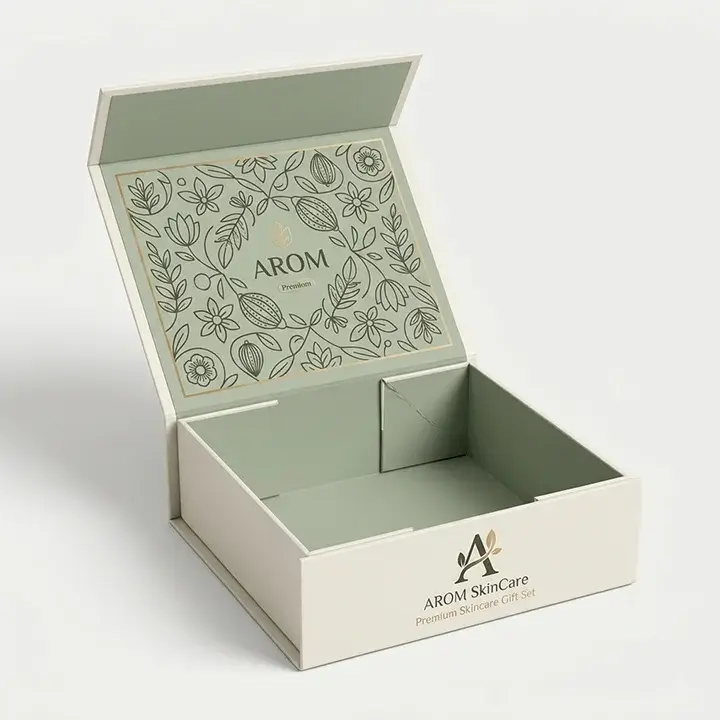
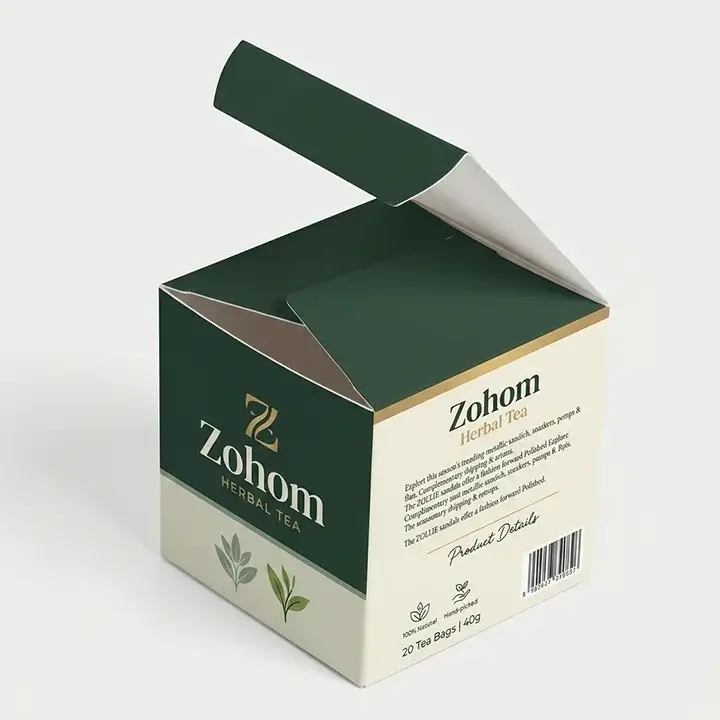
Choosing Custom Cosmetic Packaging Boxes is a practical brand decision, not just a search for a beautiful surface. The right box should protect delicate jars, keep products steady in transit, and feel natural in a customer’s hands. A snug insert matters. So does the sound of a lid closing cleanly.
Grand View Research valued the global cosmetic packaging market at $34.21 billion in 2023. Its report forecasts 5.4% annual growth from 2024 to 2030. Those figures suggest a competitive market, where packaging can influence both shelf presence and customer experience. But bigger, glossier packaging is not automatically better. A box can look premium and still waste material or fail to protect a compact glass bottle.
Ellen MacArthur, founder of the Ellen MacArthur Foundation and a circular-economy leader, champions the principle: “Design out waste and pollution.” Applied to packaging, that means weighing materials, dimensions, print finishes, and recyclability together—not choosing each detail in isolation. Consider a rigid box beside a lighter folding carton; the former may feel more substantial, while the latter can reduce shipping volume. The right choice depends on the product and its journey. And sometimes, the trade-off is uncomfortable. This guide explores how to compare options, ask suppliers useful questions, and choose boxes that balance appearance, protection, cost, and responsible material use.
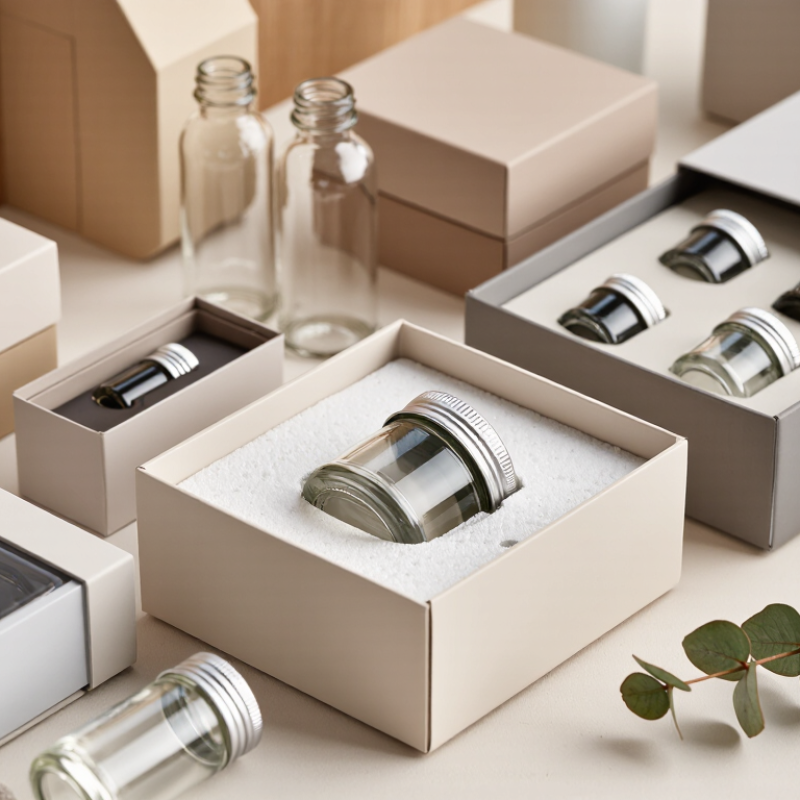
Define Product and Labeling Needs Under ISO 22715
Custom cosmetic packaging should begin with the product’s real labeling needs, not a box shape chosen in isolation. ISO 22715 provides a reference for cosmetic packaging and labeling, but it does not replace rules in the markets where products are sold. List the information your product requires, such as its product identity, net contents, ingredient details, warnings, and responsible-party information. Confirm which details belong on the carton and which may appear on the container. Requirements can vary by destination, so verify them before approving artwork.
Tips: Print a full-size proof. Check that small text stays readable, even near folds. Leave enough clear space for required information, and confirm the final panel dimensions with your packaging supplier. A crowded side panel is easy to overlook on screen.
Then match the box structure to the product and its label. A narrow carton may not provide enough room for legible copy, while a larger box can waste material. Check how the package opens, whether the container fits securely, and whether coatings affect print contrast. It is tempting to finalize the design once it looks polished. That is not quite enough. Review the printed sample under ordinary lighting, and recheck every label detail against current market requirements before production.
How to Choose Custom Cosmetic Packaging Boxes - Define Product and Labeling Needs Under ISO 22715
| Planning dimension | Information to define | Packaging and labeling considerations | Example planning data |
|---|---|---|---|
| Product format | Product type, physical form, and intended use | Choose a box structure that fits the container and protects it during handling. Check that the presentation does not imply an unsupported use or benefit. | Face cream in a glass jar; external carton with a fitted insert |
| Primary container and fit | Container material, dimensions, closure, and packed weight | Measure the filled, closed container. Allow for tolerances and test the box for movement, abrasion, and closure security. | Airless pump bottle; carton sized to prevent contact between the pump and box walls |
| Product identification | Product name or function and product variant | Reserve a clear, legible area for the product identity. Confirm required wording and placement for each destination market. | “Moisturizing face cream”; unscented variant |
| Nominal quantity | Declared mass or volume and the applicable unit | Verify the quantity declaration, unit, formatting, and minimum type size against the rules in each market where the product will be sold. | 50 ml; confirm local presentation requirements before artwork approval |
| Ingredient information | Final ingredient list and required ingredient nomenclature | Use the applicable market’s ingredient-list rules. Check text size, contrast, and available label space; do not finalize artwork from a draft formula. | Ingredient list supplied and reviewed against the final formula and target markets |
| Responsible party details | Name and address or other responsible-party details required for the market | Confirm which entity details must appear and whether they belong on the primary container, outer box, or both under local rules. | Regulatory-approved responsible-party details provided before print |
| Warnings and directions | Required precautions, directions for use, and storage conditions | Use safety and regulatory review to establish required copy. Ensure essential text remains legible and is not hidden by folds, seams, or inserts. | Directions and any formula-specific precaution reviewed for the intended use |
| Durability and batch traceability | Applicable date marking, period-after-opening information, and batch identification | Determine which markings are required for the product and market. Keep variable-code areas printable, scannable, and clear of coatings or folds that impair marking. | Reserved coding panel for batch or date information, as applicable |
| Language and legibility | Sales markets, required languages, and minimum legibility constraints | Plan translations before selecting the box size. Review contrast, type size, line spacing, and readability on the printed substrate. | Separate artwork version for each approved language set |
| Claims and symbols | Proposed product claims, certification marks, and packaging symbols | Substantiate claims and verify permission to use any mark. Avoid symbols or wording that could mislead consumers or suggest an unverified certification. | Use only approved, evidence-supported claims and applicable disposal symbols |
| Material and print specification | Board grade, finish, color, coatings, and any sustainability information | Select materials based on protection, print performance, and distribution conditions. Substantiate environmental statements and check local packaging rules. | Folding carton board with a finish tested for scuff resistance |
| Artwork control and verification | Approved copy, dieline, proof, and version-control process | Check all panels and printed components against approved information. Review a production-representative proof and retain the approved artwork version. | Regulatory review completed before final proof approval |
Note: ISO 22715 addresses cosmetic packaging and labelling. Confirm the current standard and applicable national or regional legal requirements for every intended market; the planning examples above are not a substitute for regulatory review.
FAQS
Around 250–300 gsm often suits sachets, small jars, and compact products. It folds easily and uses less material. A large carton may feel flexible.
This range can resist dents better and support heavier products. Tight folds may crack without suitable grain direction and scoring. Test a sample first.
No. GSM measures weight per square metre, not strength or thickness. Compare caliper, stiffness, and folding performance too. Feel the actual board.
Test it with the real bottle, insert, and closure. Check how it handles pressure and movement. Small details matter.
Agree on the print condition, board, ink set, and measurement method. Review a press sheet on the actual carton stock. Screens can mislead.
The board’s shade can shift pale colors, while coatings and metallic details can change their appearance. Check the sample under consistent lighting.
No. It concerns responsible sourcing and chain of custody, not the finished box’s recyclability. Keep those claims separate.
Plastic windows, foil layers, heavy coatings, and mixed materials may complicate recovery. Check every component against local recycling options.
Rub the surface, inspect glued seams, and see whether labels peel cleanly. A simple design may be easier to recover, but product protection still matters. I’m not fully sure one choice always wins.
Conclusion
Choosing Custom Cosmetic Packaging Boxes starts with understanding the product’s dimensions, weight, and labeling needs. Use ISO 22715 as a reference when checking that packaging can accommodate required product information clearly and legibly. Next, compare paperboard options in the 250–400 gsm range, balancing appearance, stiffness, and the level of protection the product needs.
Plan print color controls with ISO 12647 in mind to support consistent results across production runs. Before approving a design, test the box fit and its ability to protect the product during shipping, using ISTA 3A testing as a guide. Finally, review material choices for recyclability in line with ISO 18604 principles and consider relevant FSC standards when sourcing paper-based materials. A careful review of these factors can help create packaging that is attractive, practical, and better suited to its product and distribution journey.