Packaging Blog & Expert Insights
Explore box design tips, sustainable packaging ideas, material guides, and industry trends to help elevate your brand unboxing experience.
Branded E-Commerce Mailers
Rigid Box Unboxing Trends
Precision Folding Cartons
China Top Custom Soap Packaging Boxes Manufacturer?
Table of Contents
- What Makes a Custom Soap Packaging Box Manufacturer Top-Rated in China
- Key Materials and Structural Designs for Custom Soap Packaging Boxes
- How China Manufacturers Develop and Customize Soap Packaging Boxes
- Printing, Finishing, and Branding Options for Soap Packaging
- Quality Control, Certifications, and Ordering Considerations in China
- FAQS
- Conclusion
- Related Posts
Choosing China’s top Custom Soap Packaging Boxes manufacturer requires more than comparing prices. A suitable partner should combine practical experience, stable production, and clear communication. Packaging must protect soap from moisture, friction, and damage during transport. It should also present the brand with confidence on a crowded retail shelf.
This guide explores how to evaluate Chinese packaging manufacturers through samples, materials, printing quality, and production controls. Kraft paper, coated paper, rigid board, and recycled options offer different textures and protection levels. A useful sample should show accurate dimensions, clean edges, secure folding, and consistent color. Small details matter. A weak insert or loose closure can affect the customer’s first impression.
Experience is visible in the questions a manufacturer asks. They should discuss soap size, scent oils, surface finishes, shipping conditions, and target markets before recommending a structure. Reliable factories can usually provide material specifications, proofing steps, inspection records, and realistic lead times. Certifications may also support responsible purchasing, but they should be verified rather than accepted blindly. No supplier is perfect. Even an attractive prototype may require stronger board or better moisture resistance after testing. That honest adjustment often reveals professional judgment. A dependable manufacturer welcomes revisions, reports limitations, and protects consistent quality across repeat orders. This introduction will help buyers compare capabilities carefully and select Custom Soap Packaging Boxes that balance appearance, protection, sustainability, and cost.
What Makes a Custom Soap Packaging Box Manufacturer Top-Rated in China
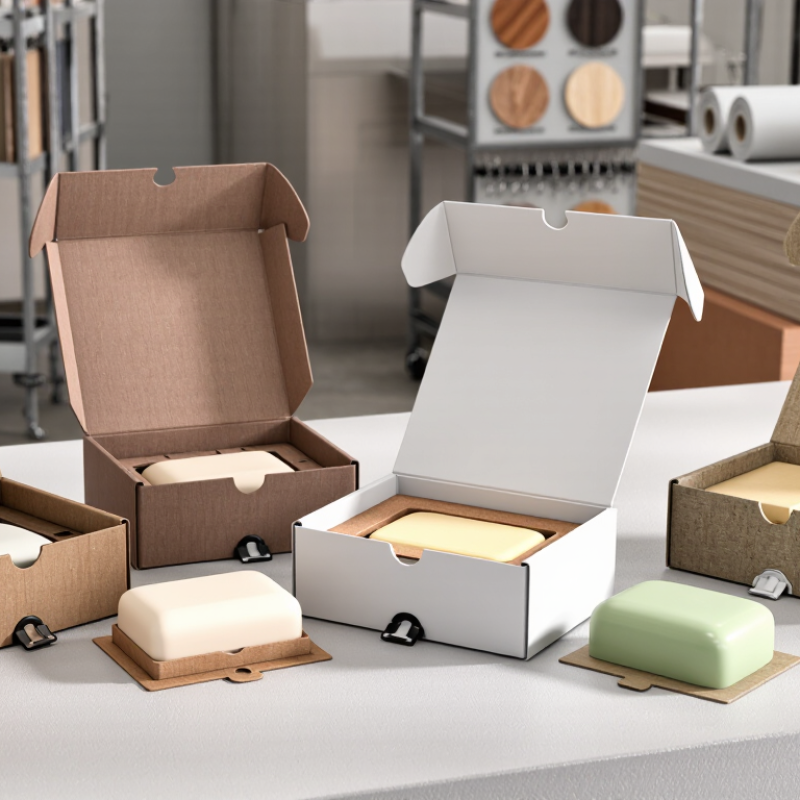
A top-rated custom soap packaging box manufacturer in China offers more than attractive printing. It combines material knowledge, stable production, and careful communication. Experienced teams understand how soap oils, moisture, fragrance, and weight affect packaging performance. They may recommend coated paper, kraft board, or rigid structures based on the product.
Reliable manufacturers provide clear samples before mass production. A physical sample should show accurate dimensions, clean folding, firm gluing, and readable artwork. Ask for paper specifications, color references, finishing details, and compression test information. Small details matter. A loose insert can damage the soap during delivery.
Strong quality control should cover incoming materials, printing, die-cutting, assembly, and final packing. Factory staff should record defects instead of hiding them. This reflects professional responsibility. They should also explain production limits, lead times, and shipping risks in plain language. Vague promises are warning signs.
Sustainable options deserve practical evaluation, not empty claims. Recyclable paper, water-based coatings, and reduced plastic inserts can lower waste when properly designed. However, every option has trade-offs. A thinner box may save material but lose strength. No manufacturer gets every sample perfect. What matters is how quickly the team identifies problems, tests improvements, and documents the final standard. A dependable partner welcomes those questions.
What Makes a Custom Soap Packaging Box Manufacturer Top-Rated in China?
A strong custom soap packaging supplier is typically evaluated by product quality, structural customization, print consistency, sustainable material options, production reliability, and export experience. Buyers should verify certifications, samples, quality-control procedures, and delivery performance before placing an order.
Key Materials and Structural Designs for Custom Soap Packaging Boxes
China Top Custom Soap Packaging Boxes Manufacturer?
Key Materials and Structural Designs for Custom Soap Packaging Boxes
Material selection shapes both protection and shelf appeal. McKinsey reports that packaging represents about 40% of global plastic use, increasing pressure on paper-based solutions. For soap boxes, folding boxboard offers a clean surface and reliable crease performance. Kraft board adds a natural texture, but its darker tone can reduce color accuracy. Recycled content supports circularity, although fibers may feel less smooth after repeated processing. That trade-off deserves testing.
Structure matters when soap meets humidity. A tuck-end box with dust flaps can limit movement and reduce open gaps. For heavier bars, a crash-lock base provides stronger support during transport. Drawer-style boxes create a premium unboxing experience, but they use more board and increase assembly time. Window films can display the product, yet they may complicate recycling unless the film is easily separable.
Smithers’ packaging research identifies recyclability and material efficiency as major development priorities through the decade. Practical testing should include compression, abrasion, and short humidity exposure. A 2–3 millimeter fit tolerance can prevent soap from rattling without making removal difficult. Small detail. Still, no structure is perfect. In my experience, prototypes often reveal weak corners that drawings miss. Manufacturers should verify board thickness, adhesive performance, ink resistance, and shipping durability before approving mass production. Cost estimates should include tooling, waste, packing labor, and storage space.
| Packaging Material | Typical Basis Weight or Thickness | Key Properties | Recommended Structural Designs | Best Application | Print and Finishing Options | Moisture Protection | Recyclability Considerations |
|---|---|---|---|---|---|---|---|
| Folding Boxboard | 250–400 g/m² | Lightweight, smooth, printable, and suitable for high-volume folding cartons. | Reverse tuck-end box, straight tuck-end box, sleeve, and auto-lock bottom carton. | Standard bar soap, guest soap, and introductory retail packaging. | Offset printing, aqueous coating, matte or gloss coating, embossing, and foil stamping. | Low to moderate | Generally recyclable when unlaminated and free from excessive non-paper components. |
| Solid Bleached Sulfate Board | 300–500 g/m² | Bright white surface, consistent thickness, good stiffness, and sharp folding performance. | Drawer box, magnetic-closure box, rigid-look folding carton, and two-piece box. | Premium soap bars, gift sets, and products requiring detailed graphics. | High-resolution offset printing, spot coating, embossing, debossing, and metallic foil. | Low to moderate | Paper recycling is usually possible if plastic films and heavy mixed-material elements are avoided. |
| Kraft Paperboard | 280–450 g/m² | Natural brown appearance, good tear resistance, and a tactile, environmentally oriented look. | Roll-end tuck-top box, sleeve, pillow box, and simple tuck-end carton. | Handmade soap, botanical soap, and minimally designed product lines. | Flexographic or offset printing, one- or two-color artwork, water-based ink, and blind embossing. | Moderate | Often recyclable and commonly available with recycled fiber content; verify local collection requirements. |
| Recycled Paperboard | 300–500 g/m² | Uses recovered fiber, provides good stiffness, and offers a textured or slightly gray surface. | Standard tuck carton, sleeve-and-tray box, and partitioned multi-bar box. | Eco-focused soap packaging and multipack formats. | Water-based coating, natural textures, limited-color printing, and paper labels. | Low to moderate | Recyclable in many paper systems; recycled fiber content may reduce brightness and print color consistency. |
| Corrugated Fiberboard | Approximately 1.5–4.0 mm board thickness | High cushioning and stacking strength; heavier and bulkier than folding boxboard. | Mailer box, shipping carton, insert-supported gift box, and protective outer box. | Online orders, subscription shipments, and soap gift sets requiring transit protection. | Direct flexographic printing, litho-laminated graphics, kraft texture, and printed inserts. | Moderate | Widely recyclable when clean and free from incompatible laminates, foils, and plastic windows. |
| Paperboard with Water-Based Barrier Coating | 300–450 g/m², depending on board grade | Improved resistance to surface moisture, oils, and handling abrasion compared with untreated board. | Lock-bottom carton, sealed sleeve, and inner-tray box. | High-oil soap, fresh soap bars, and products used in humid environments. | Offset printing, aqueous coating, water-based varnish, and paper-based labels. | Moderate to high | Recyclability depends on the coating formulation and the requirements of the local paper mill. |
| Rigid Paperboard | 1.2–2.5 mm board thickness | Excellent compression resistance, premium presentation, and strong protection against deformation. | Two-piece lid-and-base box, drawer box, hinged-lid box, and magnetic-closure box. | Luxury soap collections, seasonal gift packaging, and bundled accessories. | Wrapped printed paper, foil stamping, fabric-texture paper, embossing, and ribbon pulls. | Low to moderate | Recycling is more complex when wrapped with fabric, plastic, magnets, ribbons, or mixed materials. |
| Molded Pulp Insert with Paperboard Box | Insert thickness commonly 1.5–4.0 mm | Provides cushioning, positioning, and a fiber-based alternative to some plastic inserts. | Folding carton with fitted insert, rigid gift box with tray, and multi-product divider system. | Soap gift sets, soap-and-accessory bundles, and fragile presentation kits. | Printed outer carton, embossed pulp surface, paper labels, and natural molded texture. | Low to moderate | Usually compatible with paper recycling when made from clean fiber and separated from non-paper parts. |
| Paperboard Sleeve | 250–400 g/m² | Uses less material than a fully enclosed box and provides a large printable display area. | Slipcase sleeve, band sleeve, and sleeve over a soap tray or inner wrap. | Minimalist packaging, refill products, and soap bars with separate protective wraps. | Full-surface printing, die-cut windows, embossing, spot coating, and kraft finishes. | Low | Generally recyclable if the window, adhesive, and coating are compatible with local paper recycling systems. |
| Perforated Paperboard Carton | 300–450 g/m² | Allows easy opening, controlled dispensing, and tamper-evident visual communication. | Perforated tuck-end box, tear-strip carton, and display-ready shelf box. | Refill soap packs, multipacks, and retail formats requiring convenient opening. | Offset printing, perforated graphics, numbered panels, aqueous coating, and spot varnish. | Low to moderate | Typically recyclable when the carton contains no plastic laminate or incompatible mixed-material components. |
How China Manufacturers Develop and Customize Soap Packaging Boxes
China’s leading custom soap packaging box manufacturers begin with the product, not a template. They study soap size, weight, scent, moisture, and retail display needs. This prevents loose inserts, crushed corners, and oversized cartons. Experienced teams then create dielines and digital mockups before cutting samples. A physical prototype reveals problems that screens often hide.
Manufacturers usually offer kraft paper, coated board, rigid board, and recyclable structures. They adjust thickness, folding methods, windows, sleeves, and internal supports. Printing specialists check color samples, text clarity, coating durability, and surface feel. Small details matter. A soft-touch finish may look premium but can show fingerprints easily. That trade-off deserves honest testing.
Tips: Request a real sample before mass production. Confirm dimensions with the filled soap inside. Ask for material specifications and quality inspection records. Check whether recycling claims are supported by documented evidence. Keep one approved sample for future comparisons.
Reliable suppliers also discuss production limits early. Complex structures can increase waste, tooling time, and unit cost. A practical manufacturer explains these effects instead of promising everything. I have found that simple packaging often performs better during shipping. Still, some designs need refinement after testing. A slightly uneven prototype is not failure; it can expose a useful correction before production.
Printing, Finishing, and Branding Options for Soap Packaging
Custom soap packaging must protect the bar and communicate quality quickly. According to Smithers’ The Future of Global Packaging to 2028, the worldwide packaging market is expected to exceed one trillion dollars. Competition is intense. A China-based manufacturer can support offset, flexographic, or digital printing for short and large runs. Soy-based inks, CMYK color control, and spot colors create different shelf effects. However, printed colors may shift between paper batches. That detail deserves attention.
Finishing turns a plain carton into a tactile experience. Matte or gloss lamination improves surface resistance, while aqueous coating offers a lighter alternative. Embossing can highlight a leaf, ingredient name, or logo area. Foil stamping adds contrast, but excessive foil may weaken a natural positioning. Die-cut windows reveal the soap, although windows can reduce structural strength. According to Grand View Research, the global soap market was valued at approximately 44.6 billion dollars in 2022. Strong packaging helps products compete, but decoration should never replace clear information and practical protection.
Tips: Request a physical prototype before bulk production. Check color under store lighting. Test box compression and moisture resistance. Keep typography readable at arm’s length. Ask for paper weight, coating details, and recycled content evidence. Packaging teams should also review dielines carefully; a beautiful design can still fold poorly. Small production mistakes happen, even with experienced suppliers. Review them before printing.
Quality Control, Certifications, and Ordering Considerations in China
Choosing a China custom soap packaging box manufacturer requires more than comparing unit prices. Smithers’ 2024 packaging research projects the global sustainable packaging market will exceed USD 470 billion by 2028. This growth makes material verification essential. Request board specifications, recycled content evidence, and responsible-forestry documentation when relevant. Check paper thickness, moisture resistance, color consistency, and adhesive performance. A box may look excellent on a sample table, yet fail after humid sea transport.
Quality control should be documented at every stage. Ask whether the factory operates an ISO 9001 quality management system, and verify certificate validity through the issuing body. Useful inspections include pre-production approval, inline sampling, final random inspection, and carton drop testing. Measure print color with a spectrophotometer, not only by eyesight. Small differences matter. The International Organization for Standardization’s 2023 survey recorded more than 1.2 million ISO 9001 certificates worldwide, but certification alone cannot prove daily production discipline.
Ordering terms need equal attention. Confirm minimum order quantity, dieline ownership, sampling fees, mold charges, production tolerance, and replacement procedures. Request a sealed production sample before mass manufacturing. Clarify whether quoted prices include inner packing, export cartons, and port delivery. A third-party inspection can reduce uncertainty, although it adds cost and may miss hidden defects. No checklist is perfect. Buyers should keep approved samples, inspection photos, batch records, and written change controls. That paperwork often protects quality better than attractive promises.
FAQS
Folding boxboard offers a smooth surface and reliable creasing. Kraft board adds natural texture. Its darker color may reduce print accuracy. Recycled board supports circularity, but its fibers can feel less smooth.
Lightweight bars often suit tuck-end boxes with dust flaps. Heavier bars need stronger bases. A crash-lock base can improve transport support. Test the filled box, not an empty sample.
It creates a premium opening experience. However, it uses more board and requires extra assembly. That can raise costs. Attractive is not always efficient.
Measure the filled soap carefully. A 2–3 millimeter fit tolerance can reduce rattling. The bar should still slide out easily. Small gaps matter.
A window can show the product directly. It may complicate recycling if the film cannot separate easily. Use a removable film when possible. Display value needs testing.
Test compression, abrasion, and brief humidity exposure. Check corners, folds, adhesive strength, and ink resistance. Shipping tests may reveal weak areas. Drawings can miss them.
They study size, weight, scent, moisture, and display needs. Then they prepare dielines and digital mockups. A physical prototype reveals hidden problems. Screens are not enough.
Request a real sample with the soap inside. Confirm board thickness and material details. Review inspection records and recycling evidence. Keep one approved sample for comparison.
Budget for tooling, material waste, packing labor, and storage space. Complex designs may increase assembly time. A simple box often ships better. Still, simple is not always perfect.
Conclusion
Choosing a top-rated China manufacturer for Custom Soap Packaging Boxes involves evaluating design expertise, material quality, production capability, and service reliability. Leading manufacturers can recommend suitable paperboard, kraft paper, corrugated board, or specialty materials according to the soap’s weight, shape, protection needs, and brand positioning. They also develop practical structures such as tuck-end boxes, sleeve packaging, drawer boxes, and window designs, combining attractive presentation with convenient assembly and transport efficiency.
A professional manufacturer supports the entire customization process, from artwork review and structural sampling to mass production. Customers can select from offset printing, digital printing, foil stamping, embossing, matte or gloss lamination, and other finishing options to create a distinctive appearance. Reliable quality control should cover color consistency, dimensions, material strength, printing accuracy, and final assembly. Certifications, transparent quotations, reasonable minimum order quantities, secure packaging, production timelines, and responsive communication are also important considerations when placing an order in China.

Blog Tags: