
Packaging Blog & Expert Insights
Explore box design tips, sustainable packaging ideas, material guides, and industry trends to help elevate your brand unboxing experience.
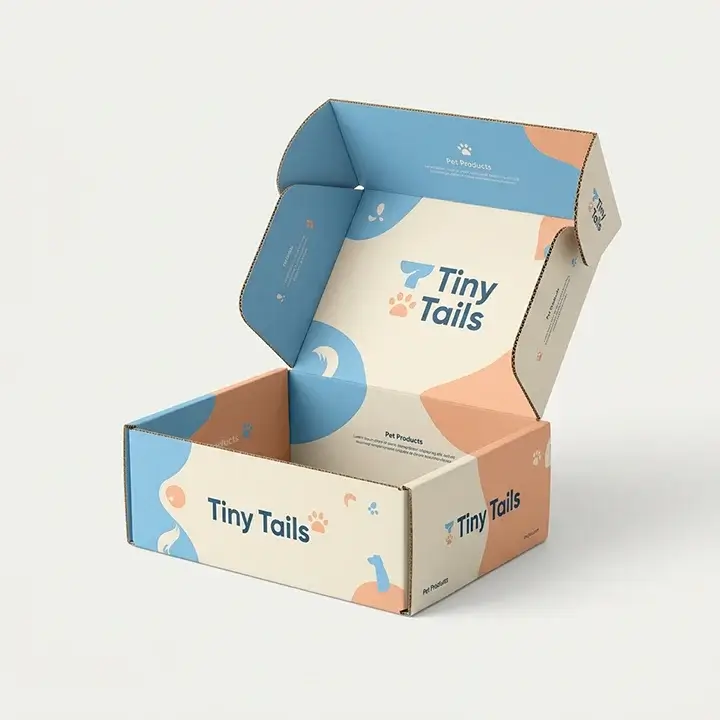
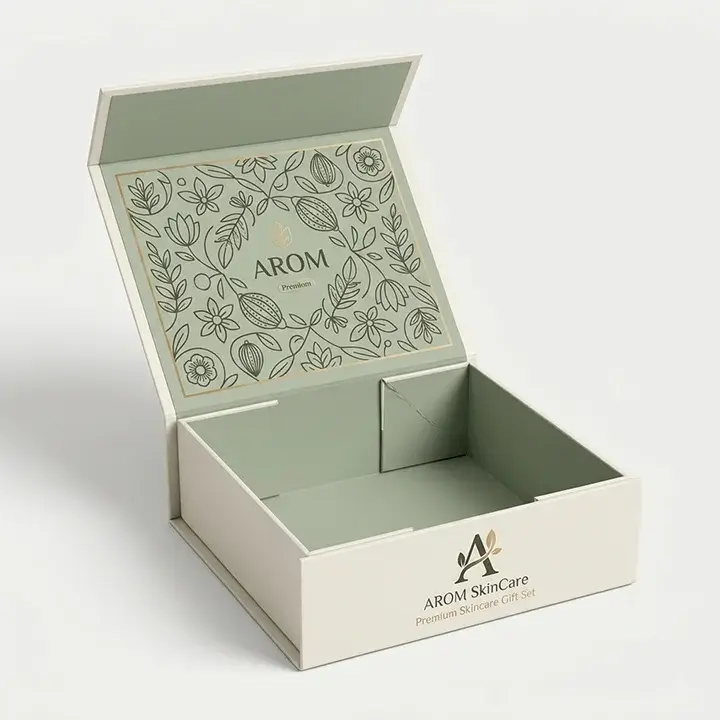
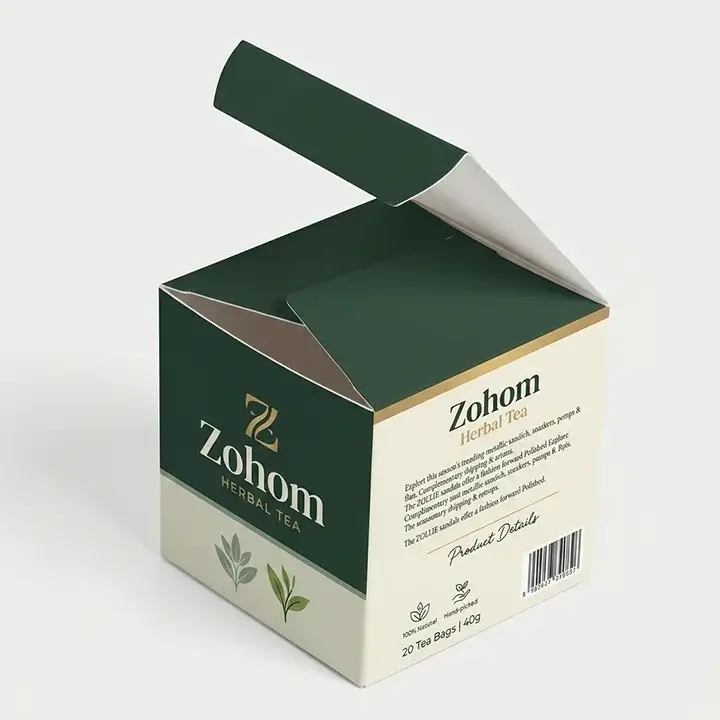
Global retail packaging is no longer a quiet container choice. It is a visible part of product quality, brand trust, and logistics performance. Smithers’ The Future of Global Packaging to 2028 forecasts continued growth in worldwide packaging demand, driven by e-commerce, premium products, and emerging markets. Meanwhile, Grand View Research reports that the global sustainable packaging market reached significant scale in 2022 and is expected to expand strongly through 2030. These findings show why buyers need more than attractive boxes.
This guide examines 10 Best Custom Retail Packaging Boxes for Global Buyers. Each option is considered through practical purchasing details, including board strength, print accuracy, protective inserts, shipping efficiency, and recyclability. A box may look impressive under showroom lighting, yet fail after humidity, stacking, or a long delivery route. That difference matters. Packaging professionals often assess materials through GSM, flute structure, compression resistance, and supplier quality controls. Global buyers should also request samples, production proofs, and test records before approving large volumes.
Custom Retail Packaging Boxes can support stronger shelf presence and better unboxing experiences. They can also create unnecessary waste when dimensions are oversized. That is an uncomfortable point. Beautiful packaging is not automatically responsible packaging. The Sustainable Packaging Coalition and Ellen MacArthur Foundation both emphasize material efficiency, recovery, and circular design principles. However, sustainability claims require evidence, not vague green language. The selections ahead balance appearance, protection, customization, and realistic sourcing needs. Some choices may suit cosmetics, electronics, apparel, or specialty foods better than others. No ranking is perfect. Supplier capability, destination climate, product weight, and budget can change the final decision.

What Custom Retail Packaging Boxes Are and Why Global Buyers Need Them
Custom retail packaging boxes are made-to-order containers designed around a product, store, and customer experience. They may use corrugated board, folding carton stock, rigid paperboard, or recyclable paper materials. Buyers choose dimensions, print colors, closures, inserts, finishes, and protective strength. A 30-centimeter skincare box needs different engineering from a small ceramic gift box. The aim is practical: protect goods while presenting a clear, recognizable retail message.
Global buyers need these boxes because products often travel through several climates, warehouses, and handling systems. A suitable structure can reduce crushing, movement, moisture exposure, and unnecessary void space. For example, a snug insert can keep glass jars apart during a long shipment. Clear dimensions also help buyers estimate pallet use, freight charges, and storage needs. Packaging must fit local labeling rules, recycling expectations, and retailer requirements. Those details vary by market. A reliable supplier should provide material specifications, sample approvals, color references, and compression or drop-test evidence. This is where experience matters more than attractive artwork.
Custom packaging can support shelf visibility and easier opening without making exaggerated environmental claims. Paper-based options may be suitable, but recyclability depends on coatings, adhesives, and local collection systems. That point is often overlooked. Buyers should test printed samples before ordering at scale, especially when colors, folds, or fitted inserts affect the final result. In practical sourcing, seemingly minor size changes can create loose products and higher freight costs. The box is part of the product experience, but it is not the product itself. Good decisions leave room for revision.
10 Best Custom Retail Packaging Boxes for Global Buyers - What Custom Retail Packaging Boxes Are and Why Global Buyers Need Them
| No. | Custom Box Type | Typical Retail Applications | Common Custom Size Range (L × W × H) |
Typical Materials | Opening / Closure | Protection Level | Shipping Efficiency | Best Global-Buyer Advantage | Editorial Score |
|---|---|---|---|---|---|---|---|---|---|
| 1 | Folding Carton | Cosmetics, personal care, food supplements, small consumer goods | 80–300 × 40–180 × 20–100 mm | Paperboard, commonly 250–400 gsm | Reverse tuck, straight tuck, or auto-lock bottom | Medium; suitable for lightweight retail products | Ships flat Very efficient |
Low dimensional weight, easy shelf presentation, and efficient use of container space | 9.4 / 10 |
| 2 | Rigid Setup Box | Jewelry, premium gifts, electronics accessories, luxury personal care | 100–350 × 80–250 × 30–120 mm | Paper-wrapped rigid board, commonly 1.2–2.5 mm board thickness | Lift-off lid, hinged lid, drawer, or magnetic flap | High; strong walls provide good compression resistance | Ships assembled Lower nesting efficiency |
Creates a premium unboxing experience and protects higher-value products | 9.2 / 10 |
| 3 | Corrugated Mailer Box | E-commerce orders, subscription products, apparel, home accessories | 150–500 × 100–350 × 40–180 mm | Single-wall corrugated board, often E-flute or B-flute | Self-locking tabs with tear strip or adhesive strip | High; fluted structure absorbs ordinary shipping impacts | Ships flat Efficient for parcel fulfillment |
Combines branded presentation with practical courier protection | 9.1 / 10 |
| 4 | Two-Piece Lid-and-Base Box | Apparel, shoes, gifts, stationery, household products | 180–600 × 120–400 × 50–220 mm | Paperboard or rigid board; optional corrugated insert | Separate removable lid and base | Medium to high, depending on board grade and inserts | Ships flat or nested Moderate efficiency |
Simple structure, broad size flexibility, and easy product access | 8.8 / 10 |
| 5 | Drawer Box | Small electronics, jewelry, stationery, beauty and gift items | 80–280 × 60–200 × 25–100 mm | Paperboard or rigid board with paper-wrapped sleeve | Ribbon pull, finger pull, or die-cut pull tab | Medium; inserts can improve product stability | Ships flat or nested Moderate efficiency |
Provides controlled access and a reusable package format | 8.7 / 10 |
| 6 | Shoulder-Neck Box | Fragrance, candles, premium bottles, accessories, specialty gifts | 80–300 × 50–180 × 50–180 mm | Rigid board or thick paperboard with internal shoulder structure | Lift-off lid fitted over a raised inner neck | Medium to high; suitable inserts may be added | Ships assembled Moderate efficiency |
Creates a precise premium fit and supports elevated shelf presentation | 8.6 / 10 |
| 7 | Display Window Box | Bakery goods, toys, crafts, cosmetics, small home products | 100–400 × 60–250 × 40–180 mm | Paperboard or corrugated board with cellulose or PET window film | Auto-lock, tuck flap, or glued end closure | Medium; window area may reduce overall rigidity | Ships flat Very efficient |
Allows product visibility while retaining a compact retail footprint | 8.5 / 10 |
| 8 | Bottle and Product Insert Box | Glass bottles, beverage gifts, skincare, sauces, specialty foods | 100–400 × 60–220 × 60–300 mm | Corrugated board, paperboard, molded pulp, or paperboard inserts | Tuck-end, crash-lock, or lift-off lid with fitted insert | High when the insert is correctly engineered | Ships flat Efficient before assembly |
Separates products and limits movement during international parcel handling | 8.5 / 10 |
| 9 | Pillow Box | Small gifts, apparel accessories, jewelry, confectionery, event items | 100–300 × 60–180 × 25–100 mm | Paperboard, commonly 250–400 gsm | Curved tuck flaps at both ends | Low to medium; best for lightweight, non-fragile products | Ships flat Excellent efficiency |
Uses little material and creates a distinctive shape for small retail products | 8.1 / 10 |
| 10 | Heavy-Duty Corrugated Shipping Box | Bulk retail packs, appliances, furniture parts, industrial consumer goods | 250–1,200 × 180–800 × 120–600 mm | Double-wall or triple-wall corrugated board | Regular slotted carton, full-overlap, or die-cut locking style | Very high; selected by product weight and stacking requirements | Ships flat Efficient for palletized freight |
Supports heavier loads, stacking, and longer international transport routes | 8.0 / 10 |
Data note: Dimensions are typical custom-production ranges shown in millimetres and are not fixed industry standards. Final box dimensions, board grade, flute profile, inserts, compression strength, moisture resistance, and transport testing should be selected according to the product weight, fragility, destination market, pallet configuration, and applicable packaging regulations. Editorial scores compare protection, presentation, shipping efficiency, customization flexibility, and suitability for international retail distribution.
FAQS
They are made-to-order containers designed for a product, store, and customer experience.
Products may pass through humid warehouses, cold trucks, and several handling systems.
Folding cartons suit lightweight goods and offer flat shipping profiles.
Compare strength, cost, recyclability, and shipping performance together.
Offset printing supports sharp graphics and small text.
Request physical samples, compression results, drop-test evidence, and moisture exposure checks.
Request material specifications, production photos, lead times, carton dimensions, and packed weights.
No. Recyclability depends on coatings, adhesives, inks, and local collection systems.
Conclusion
Custom Retail Packaging Boxes are designed containers that protect products while presenting a clear and memorable brand image at the point of sale. This guide explains how global buyers can evaluate ten leading retail packaging formats, including folding cartons, rigid boxes, mailer boxes, drawer boxes, and specialty structures. It compares their materials, construction methods, finishing techniques, printing options, and suitability for different product categories and shipping conditions.
The article also examines how to balance product protection, visual appeal, sustainability, and total cost. Buyers will learn how recycled, recyclable, and responsibly sourced materials may support environmental goals, while structural design and print quality influence customer experience. Finally, the guide outlines practical ways to assess suppliers, confirm production specifications, review samples, manage minimum order quantities, and coordinate international shipping, documentation, quality control, and delivery schedules. These considerations help purchasing teams select dependable packaging solutions that meet commercial, operational, and market requirements.