Packaging Resources & Guides

Packaging Blog & Expert Insights

Explore box design tips, sustainable packaging ideas, material guides, and industry trends to help elevate your brand unboxing experience.
Design Guides Unboxing Ideas Material Selection
0%

Choosing the right Custom Corrugated Mailer Boxes in 2026 means balancing protection, presentation, and practical cost. A box should fit the product closely, arrive intact, and open without a struggle. Sounds simple. Yet a beautiful design can still disappoint if the corners crush or the item shifts during delivery.

This guide compares mailer options through details buyers can check: board strength, flute profile, dimensions, closure style, print quality, and available customization. A snug fit can reduce movement, while sturdy corrugated walls help protect products through ordinary handling. Still, no single box suits every shipment. A lightweight garment and a glass item have different needs, and stronger packaging may add material and shipping weight. Fit matters. We’ll also look at sample testing, clear supplier specifications, and how to assess print proofs before approving a larger order. These steps do not remove every risk; real shipping conditions can be unpredictable. That is worth admitting. The goal is not to crown one universal winner, but to identify the best choice for your product, budget, and brand.
What Are the Best Custom Corrugated Mailer Boxes in 2026?

What Custom Corrugated Mailer Boxes Are and How They Work

What Are the Best Custom Corrugated Mailer Boxes in 2026?

What Custom Corrugated Mailer Boxes Are and How They Work

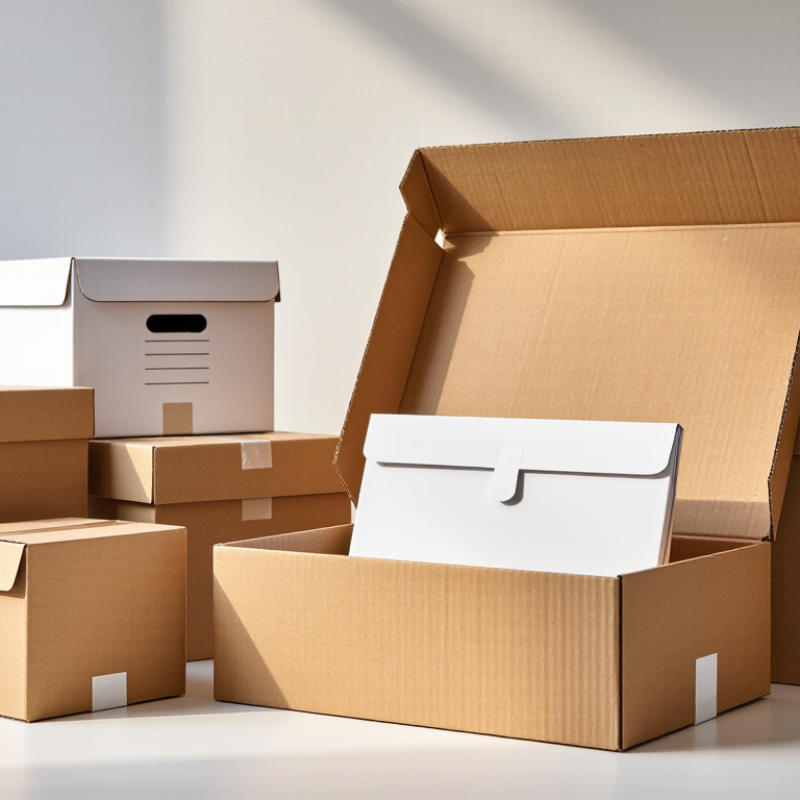
Custom corrugated mailer boxes are one-piece shipping cartons, usually made from fluted paper sandwiched between flat liner sheets. The flutes create cushioning and help the walls resist compression. A scored, foldable design lets the box close without a separate outer carton. Small details matter: a snug fit limits movement, while a tear strip can make opening easier.

The U.S. Environmental Protection Agency’s 2018 Advancing Sustainable Materials Management report recorded 33.3 million tons of corrugated containers generated and 32.1 million tons recycled, a 96.5% recycling rate. That figure describes corrugated containers overall, not every custom mailer or local recycling system. Still, it shows why fiber-based packaging is a major part of material recovery. Check whether coatings, labels, and local collection rules affect recyclability.

For a product, match board strength and box dimensions to its weight, fragility, and shipping route. A mailer that is too roomy may let items shift; one that is too tight can strain corners. Sample boxes should be packed as intended and checked for fit, closure, and damage after handling tests. A useful detail to reconsider: extra layers can add protection, but may also add material and shipping weight. The right design is not automatically the thickest one.

How Flute Types, Board Grades, and Box Styles Differ

Flute Types, Board Grades, and Box Styles Differ

Choosing a custom corrugated mailer starts with what it must survive. E-flute has a fine profile that supports sharp printing and compact parcels. B-flute offers more cushioning and stacking strength, while C-flute is thicker and better suited to rougher handling. These are useful tendencies, not guarantees; recycled content, board grade, and converting quality also affect performance. A 32 ECT board may suit lighter shipments, while heavier products may need a higher edge-crush rating or a double-wall construction. Ask for the actual board specification, not just a flute name.

Box style changes how the package opens and protects its contents. A roll-end tuck-top mailer folds into a snug, book-like shape and works well for flat goods. A regular slotted carton uses less complex construction, but usually needs separate tape and may feel less polished. Fit matters: a glass jar rattling in an oversized mailer can fail even when the board seems strong. The U.S. Environmental Protection Agency’s 2018 recycling report estimated a 96.5% recycling rate for corrugated boxes. That figure describes recovery, not the footprint of every box, so avoid treating recyclability as the whole sustainability story.

Tips: Match the board to packed-product weight and shipping risks. Request samples, then test a packed box with realistic drops and stacking. Small details count. I would still check the closure by hand; a neat mock-up can hide a flap that loosens during transit.

Corrugated Flute Profiles: Typical Thickness

A quick comparison of common flute types used in custom corrugated mailer boxes.

A-flute is typically the thickest profile shown, while F-flute is the thinnest. Thicker flutes can provide more cushioning; finer flutes can support a smoother print surface and compact packaging. Actual performance also depends on board grade—the liners and medium—and the box style. Values are typical nominal thicknesses and may vary by manufacturer and specification.

Which Features Make a Mailer Box One of the Best in 2026

A strong custom corrugated mailer box protects its contents without adding unnecessary bulk. The right board strength depends on the product’s weight, shape, and shipping distance. A small ceramic cup, for example, needs tighter cushioning than a folded cotton shirt. Ask for samples and test them with the actual product inside.

Fit matters. Excess space can let items shift, while an overly snug box may strain the flaps. Look for secure closures, clean folds, and edges that stay intact after handling. A simple drop test on a packed sample can reveal weak corners or a lid that pops open. It is useful, but it cannot fully reproduce every delivery route.

Good design also considers packing speed and customer experience. Easy-to-assemble folds can save time during busy shifts, and clear printing should remain readable across creases. Recycled-content options may suit many shipments, though performance depends on the board and product. Claims about recyclability should be checked against local collection systems. The best choice is not always the thickest or most decorative one. Sometimes, a modest box with a close fit works better. Still, test it.

How to Match Box Design to Product, Shipping, and Budget

A good custom corrugated mailer starts with the item, not the artwork. Measure the product at its widest points, then allow room for protective paper or a fitted insert. A snug fit limits movement; excess space can mean more filler and a larger parcel. For ceramics or small electronics, test a packed sample with realistic drops and edge impacts. Fit matters. A mailer that survives a warehouse test may still arrive scuffed after a long route, so review actual returns and damage claims when possible.

Shipping volume makes these choices practical, not cosmetic. The U.S. Census Bureau reported that 2024 U.S. e-commerce sales reached $1.1926 trillion, or 16.1% of total retail sales. That scale makes packing consistency important. Choose board strength for product weight and journey, rather than automatically choosing the thickest option. For lighter goods, a compact mailer with a simple one-color print may control material and print costs. The U.S. EPA’s 2018 materials report put corrugated box recycling at 96.5%; recyclable construction is useful, but coatings, tape, and local collection can affect what happens after delivery. Test it first. Compare a few prototypes for fit, packing time, freight size, and damage. The cheapest box on paper may not be cheapest after a failed shipment.

How Printing, Sustainability, and Testing Shape Custom Choices

Choosing the best custom corrugated mailer in 2026 means balancing print quality, fiber recovery, and shipping performance. A saturated navy exterior can look sharp, but heavy ink coverage may hide scuffs and complicate recycling. Ask for a physical proof on the actual board. Check small text and barcode contrast under ordinary room light. Small details matter.

The American Forest & Paper Association reported a 65.3% U.S. paper recycling rate in 2023. The EPA’s 2018 national data estimated a 96.5% recycling rate for corrugated boxes. These figures describe different materials and years; neither guarantees local acceptance. Specify recycled content only when suppliers can document it, and question coatings that may hinder fiber recovery. A recyclable label alone is not enough.

Tip: Pack a sample with the real product, then test it using ISTA 3A parcel-shipping procedures. This standard simulates hazards such as vibration and impact. Inspect crushed corners, loose closures, and abrasion on the printed surface. One attractive proof is not proof of safe delivery. Even careful testing cannot reproduce every rough handoff.

FAQS

What is a custom corrugated mailer box?

It is a foldable shipping box made from fluted paper between flat liner sheets. The flutes cushion products and help the walls resist compression.

How does a mailer protect its contents?

Its walls provide cushioning, while a snug fit limits movement. A tear strip can also make opening easier. Fit matters.

Which flute type should I choose?

E-flute has a fine profile for compact parcels and sharp printing. B-flute offers more cushioning, while C-flute is thicker for rougher handling. These are tendencies, not guarantees.

Does board grade matter as much as flute type?

Yes. Board grade and converting quality affect strength, so ask for the actual specification. A flute name alone tells only part of the story.

How should I choose the right box size?

Measure the product at its widest points, then allow space for protective paper or an insert. Too much room can let items shift and require extra filler.

How can I check whether a box is protective enough?

Pack a sample as it will be shipped, then test realistic drops and stacking. Check its fit, closure, and damage afterward. Test it first.

Is a thicker box always the better choice?

No. Extra layers may add protection, but they can also increase material use and shipping weight. I’d still compare samples before deciding.

Are corrugated mailer boxes recyclable?

Corrugated containers had a reported recycling rate of 96.5% in one U.S. estimate. That figure does not guarantee every mailer is accepted locally; coatings, labels, and collection rules can matter.

Conclusion

Custom Corrugated Mailer Boxes are protective, customizable packages designed to help products arrive safely while presenting a polished unboxing experience. Their performance depends on factors such as flute type, board grade, and box style: together, these determine cushioning, strength, weight, and how the package closes. The best choice in 2026 balances dependable protection with practical details, including a suitable fit, easy assembly, and a design that supports the product’s presentation.

Choosing the right mailer starts with considering the product’s size, fragility, shipping conditions, and budget. Printing options can add clear branding or useful information, while thoughtful material choices can reduce waste and support sustainability goals. Testing the finished box for fit, handling, and shipping durability helps confirm that its structure and materials meet real-world needs. By weighing these factors together, businesses can select a custom mailer that protects its contents, fits its purpose, and delivers value throughout the shipping process.

Amelia

Amelia

Amelia is a dedicated marketing professional with a strong understanding of the company’s products, services, and long-term vision. Through her experience in market research, content strategy, customer communication, and digital marketing, she helps transform complex product information into clear,......